
Bed Bug Heat Treatment Across the East Midlands
Bed Bugs, Fleas & Crawling Insects
Bed Bug Heat Treatment In Nottingham, Derby & Leicester
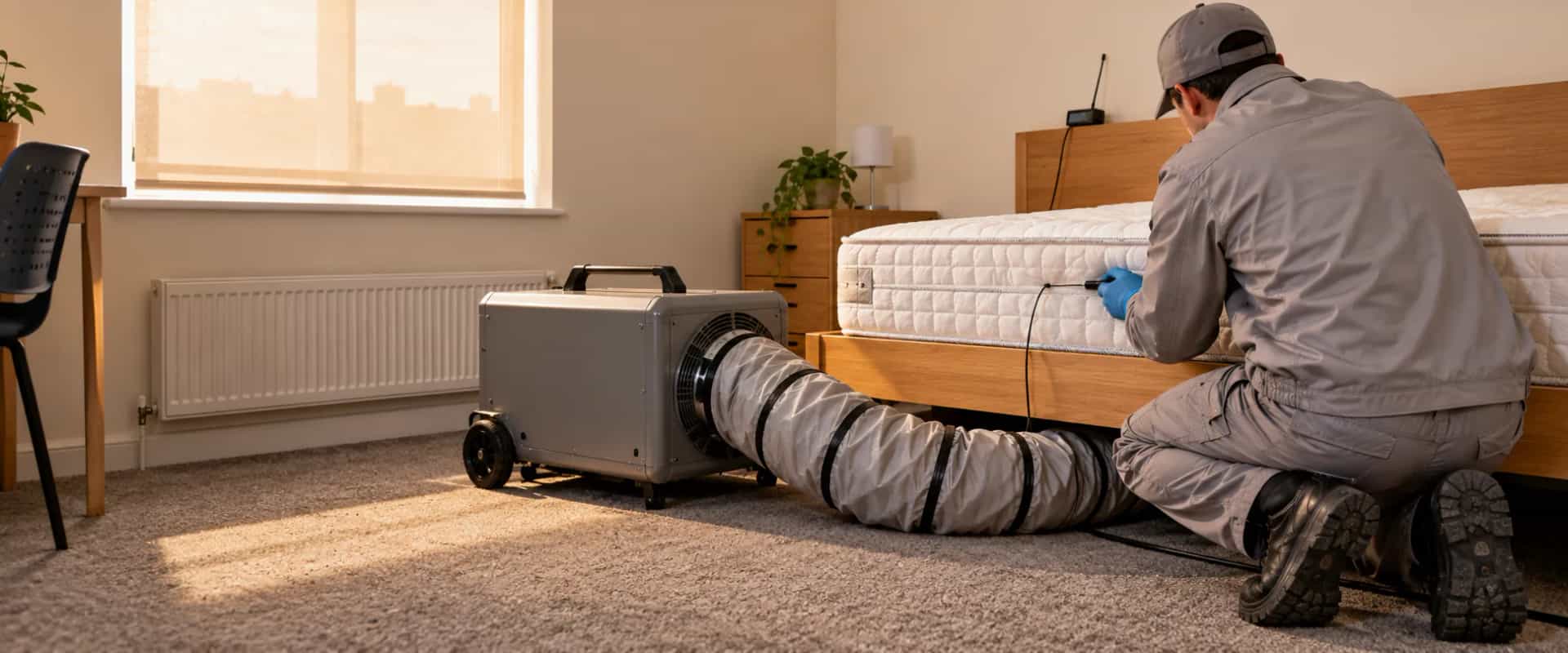
Whole-Room Heat That Reaches Bed Bugs And Their Eggs
Bed bug heat treatment raises a room and its contents above the temperature bed bugs can survive, killing adults, nymphs and eggs without insecticide. Research puts the lethal temperature at 48.3°C for adults and 54.8°C for eggs; our heat treatments take rooms above 56°C and are often a single visit for a contained infestation. We carry them out in homes, rented flats, HMOs and hotels across Nottinghamshire, Derbyshire, Leicestershire and Lincolnshire. We survey first and explain the likely cost before any work starts.
- Free quoteClear advice on cost before we start
- 7 days a week6am–8pm, weekends included
- 5.0 on GoogleFrom 194 customer reviews
- 4 countiesNotts, Derbys, Leics & Lincs
On this page
- How does bed bug heat treatment work?
- What temperature kills bed bugs and their eggs?
- How to prepare for bed bug heat treatment
- What can stay in the room, and what has to come out?
- Heat treatment or insecticide: which is better for bed bugs?
- When is heat treatment not the right choice?
- How long does heat treatment take, and what happens afterwards?
- How much does bed bug heat treatment cost?
- When Heat Treatment Is Worth Considering
- Why choose us
- Our process
- Get a price
- FAQs
How does bed bug heat treatment work?
Heat treatment warms the whole room, and everything left in it, until the places bed bugs hide are hot enough to kill them. The bed, mattress, headboard, bedside furniture, skirting boards and the cracks behind them all have to reach a lethal temperature, not just the air in the room.
That last point is the difference between a treatment that works and one that doesn't. Air heats quickly, but the inside of a mattress, a sofa or a full drawer heats slowly. Virginia Cooperative Extension's guide to bed bug heat treatment says air temperature is not a reliable guide to conditions at the junction of floor and wall or under skirting, and that temperatures should be measured in the spots that are hardest to heat. Our heat treatments take rooms above 56°C and check temperatures where the bugs hide.
Because nothing is sprayed, heat leaves no chemical residue. The other side of that is that heat has no lasting effect once the room cools, which matters if bed bugs can be carried or walk back in.
What temperature kills bed bugs and their eggs?
Eggs need more heat than adults. A study by Kells and Goblirsch in the journal Insects (2011) found that 48.3°C killed 99% of adult bed bugs and 54.8°C killed 99% of eggs. The authors recorded no survival above 50°C.
Time matters as much as temperature. In the same study, adults at 45°C took about 95 minutes to die and eggs took around seven hours, while at 48°C eggs took 71.5 minutes. The authors recommend a minimum whole-room exposure of 48°C for 71.5 minutes, or carrying on until every place bed bugs may hide has reached 50°C or more.
This is why a hair dryer, a clothes steamer or a hot car is not a reliable way to treat a bed or sofa at home: the surface gets hot while the inside stays cool enough for eggs to survive.
- Adult bed bugs: 48.3°C (Kells and Goblirsch, 2011)
- Bed bug eggs: 54.8°C in the same study
- Minimum hold recommended by the authors: 48°C for 71.5 minutes, or 50°C or more in every hiding place
- Our heat treatments: above 56°C
How to prepare for bed bug heat treatment
Preparation for heat is mostly about taking out what heat can damage and letting hot air reach everything else. We'll give you a checklist when we book. In general:
- Take out things heat can damage: medicines, aerosols, candles, vinyl records and some electronics
- Arrange for pets and houseplants to be out of the rooms being treated
- Clear the space under the bed and the wardrobe floor so air can move; boxes and bags stacked against walls block the heat
- Don't carry bedding, clothes or furniture into other rooms; you'll spread the bugs
- Wash bedding and clothes at 60°C, or tumble dry on hot for at least 30 minutes (the NHS advice), and keep them bagged afterwards
- Ask us before you bag or move anything you're unsure about; we'll advise which items can be heat treated
What can stay in the room, and what has to come out?
Most of the room stays where it is. Beds, mattresses, sofas, wardrobes and chests of drawers are where bed bugs live, so they need to be in the room to be heated. Virginia Cooperative Extension notes that furniture can stay in place and that items are moved about during a heat treatment, so don't expect everything to be exactly where you left it.
What comes out is anything that melts, spoils or could be a fire risk. The same guide lists houseplants, pets, candles, lipstick, aerosol cans and cigarette lighters, and says electronics, medicines, fresh food, stringed instruments, photographs and family heirlooms are usually removed or protected. Anything you take out of an infested room can carry bed bugs with it, so check it and keep it bagged rather than putting it on another bed or sofa.
Heat treatment or insecticide: which is better for bed bugs?
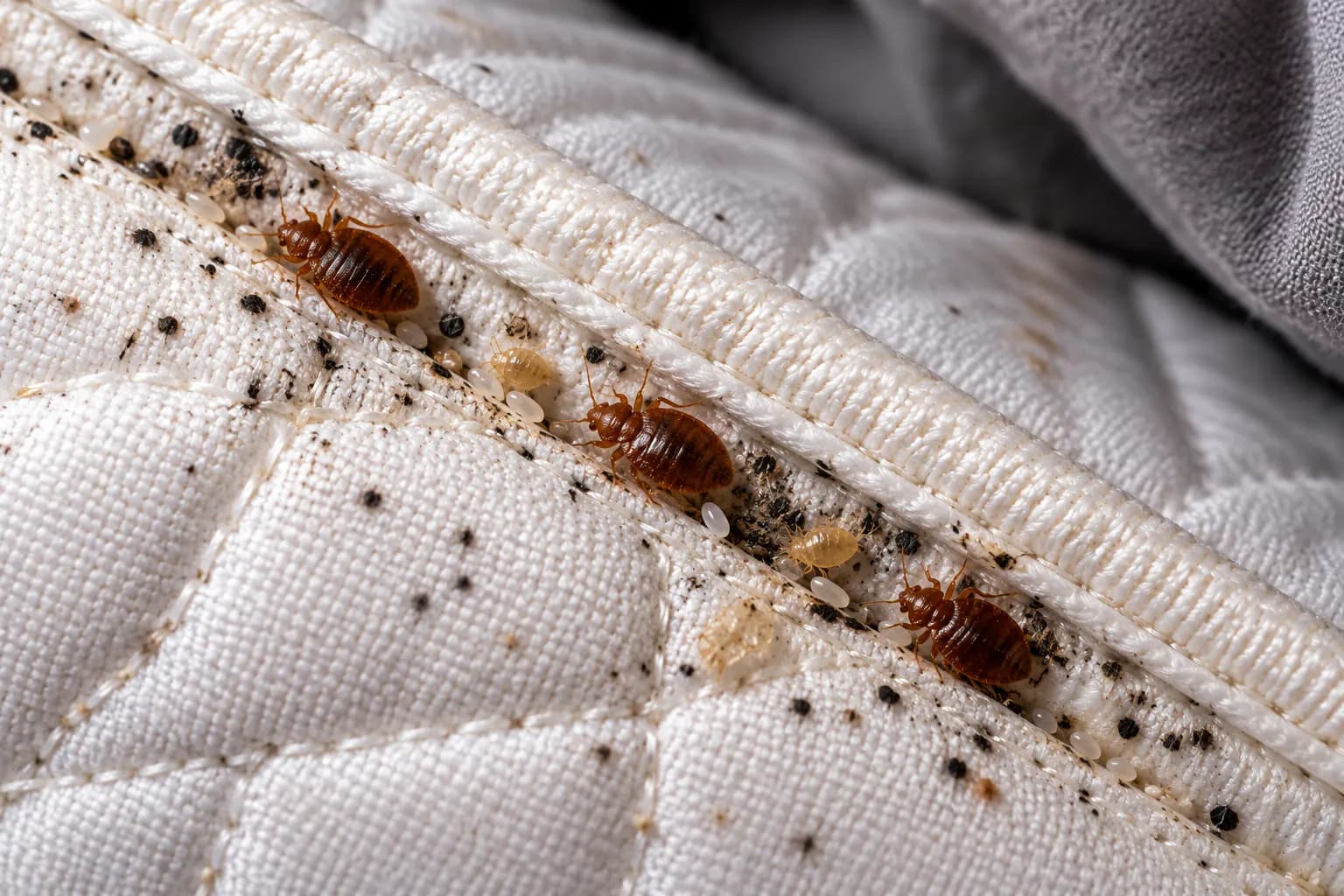
Neither is better in every home. Heat is quicker and reaches eggs; residual insecticide keeps working after the visit. Which one suits you depends on how far the bed bugs have spread, what is in the room and how soon you need it back.
The NHS says bed bugs may be resistant to some insecticides. Heat doesn't rely on an insecticide at all. For established or spreading infestations we often combine both. Our main bed bug treatment page (linked below) covers residual insecticide programmes, the signs of bed bugs and who pays in a rented home.
- Visits: heat is often a single visit for a contained infestation; residual insecticide is 2–3 visits a couple of weeks apart
- Eggs: heat kills them if every hiding place gets hot enough; insecticide relies on follow-up visits to catch nymphs as they hatch
- Residue: heat leaves none; residual insecticide stays on treated surfaces and keeps working
- Protection afterwards: heat gives none once the room cools; a residual treatment does
- Preparation: heat means removing heat-sensitive items; insecticide means hot washing, bagging and clearing access
When is heat treatment not the right choice?
Heat isn't suitable for every infestation, and we'll tell you at the survey if another approach is likely to work better.
Virginia Cooperative Extension's guide reports that in studies some hard-to-heat spots, such as the junction of floor and wall or the floor under bags of clothes, never reached a lethal temperature, and that bed bugs move into cooler cracks as a room warms. It recommends a residual treatment in those places after heating. Kells and Goblirsch also note that excessive temperatures or hold times may increase the risk of damage to furniture and other articles, so hotter and longer is not always the answer.
- Very cluttered rooms, where stacked boxes and bags shield the floor and walls from the heat
- Flats and shared houses where bed bugs are coming through from a neighbouring room that isn't being treated
- Rooms full of items that can't be heated and can't easily be removed
- Infestations that have spread through several rooms, where heat combined with residual insecticide usually suits better
- Tighter budgets: heat usually costs more per visit than insecticide
How long does heat treatment take, and what happens afterwards?
Plan to be out of the room for the day. The room is closed off while it's heated, and we'll tell you exactly how long when we book. Virginia Cooperative Extension says many technicians hold the heat for four to five hours, and warns that four hours is not enough for every home: the time depends on the size of the space and how much is in it.
Afterwards there is no drying time and no residue. Heat doesn't protect the room once it has cooled, so bed bugs can be reintroduced in luggage, second-hand furniture or from a neighbouring flat that hasn't been treated. Keep an eye on mattress seams and the headboard over the following weeks, keep clean bedding and clothes bagged until you're confident the room is clear, and call us straight away if you see signs again.
How much does bed bug heat treatment cost?
Heat treatment is quoted after a survey, because the price depends on how many rooms are affected, how much is in them and whether heat alone or heat with a residual insecticide is the right approach. We'll explain the likely cost before any work starts.
As a guide to the UK market, Fantastic Services' 2026 price guide puts bed bug heat treatment at £500 to £800 per room, including VAT, against £350 to £550 per room for chemical treatment. Those are another firm's national figures, not our prices. Heat usually costs more per visit and insecticide usually needs more visits, so compare quotes on the method and the number of visits included, not only the headline figure.
When Heat Treatment Is Worth Considering
- The infestation is contained to one or two rooms
- Shop-bought or earlier insecticide treatments haven't cleared it
- You need the room back quickly, without weeks of follow-up visits
- You'd rather not have insecticide on the bed and furniture
- Live bed bugs or eggs are in the bed frame, headboard or sofa, where sprays struggle to reach
- The room can be cleared of heat-sensitive items for the day
Why Choose Us For Bed Bug Heat Treatment
- Heat treatment above 56°C, with no chemical residue
- Kills bed bugs at every stage, including eggs
- Often a single visit for a contained infestation
- Survey first, so you know whether heat suits your home
- Clear preparation checklist before we arrive
- Unmarked vehicles for discreet visits
- Likely cost explained before any work starts
Our Bed Bug Heat Treatment Process
Survey
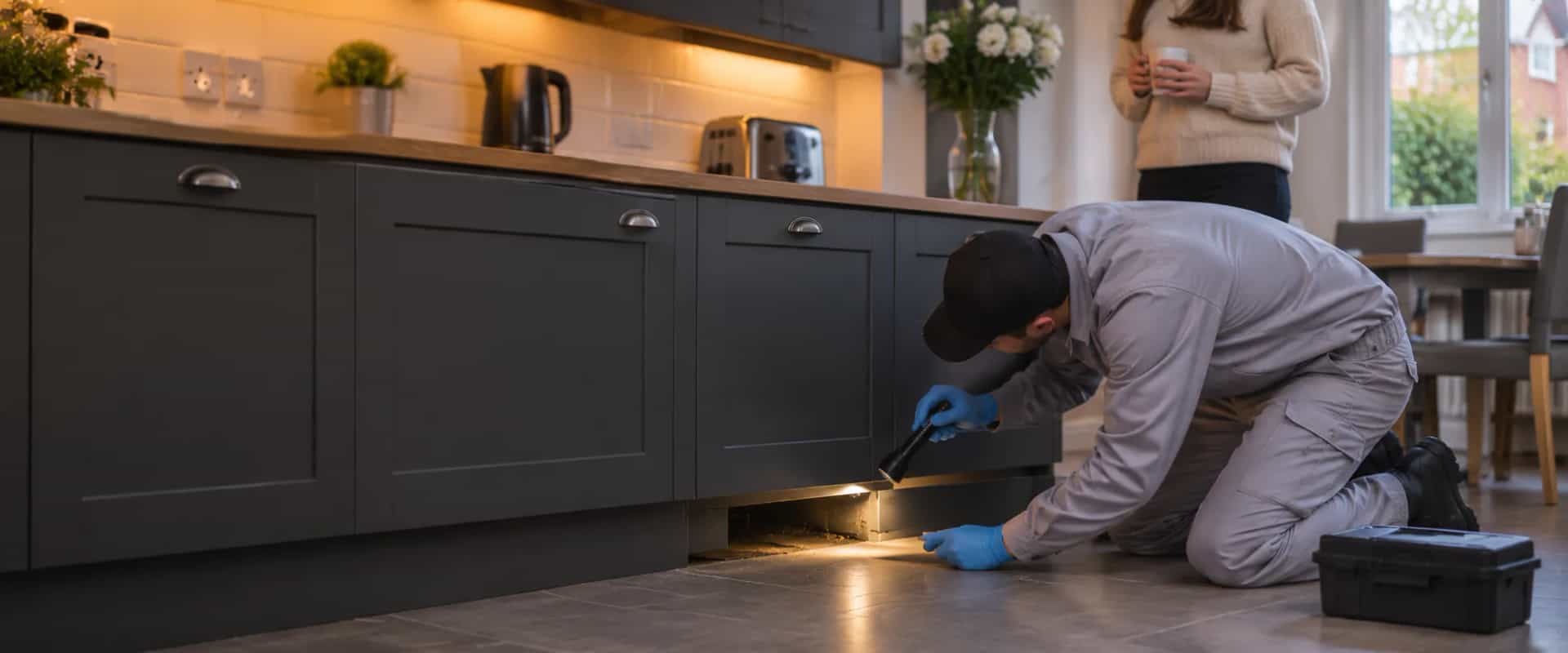
We inspect the bed, furniture and nearby rooms to confirm bed bugs, see how far they've spread and judge whether heat suits the room.
Prepare
You get a checklist: heat-sensitive items out, pets and plants out, space cleared under the bed, nothing moved between rooms.
Heat
The room is closed off and heated above 56°C, with temperatures checked in the places bed bugs hide.
Afterwards
No residue and no drying time. For established or spreading infestations we often add a residual insecticide.
Get a price for bed bug heat treatment
Clear advice on costRequest A Callback About Bed Bug Heat Treatment
We'll call you back with a clear price, usually within the hour during opening times.
Frequently Asked Questions
Bed Bug Heat Treatment Guides
Related Services
- Bed BugsHeat and residual bed bug treatments for homes, rentals, HMOs and hotels.Learn More about Bed Bugs
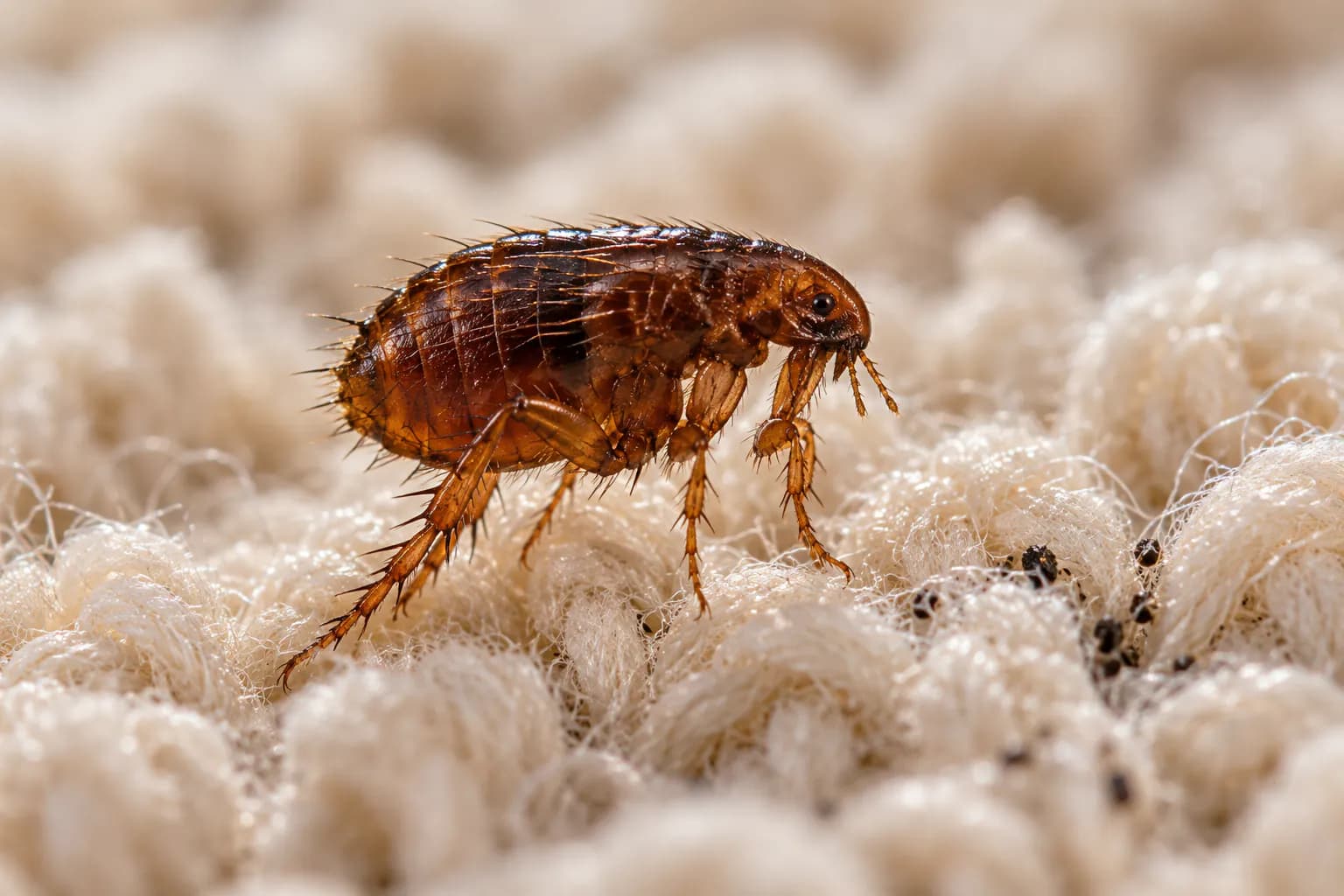 FleasWhole-house flea treatment, with results usually within 24–48 hours.Learn More about Fleas
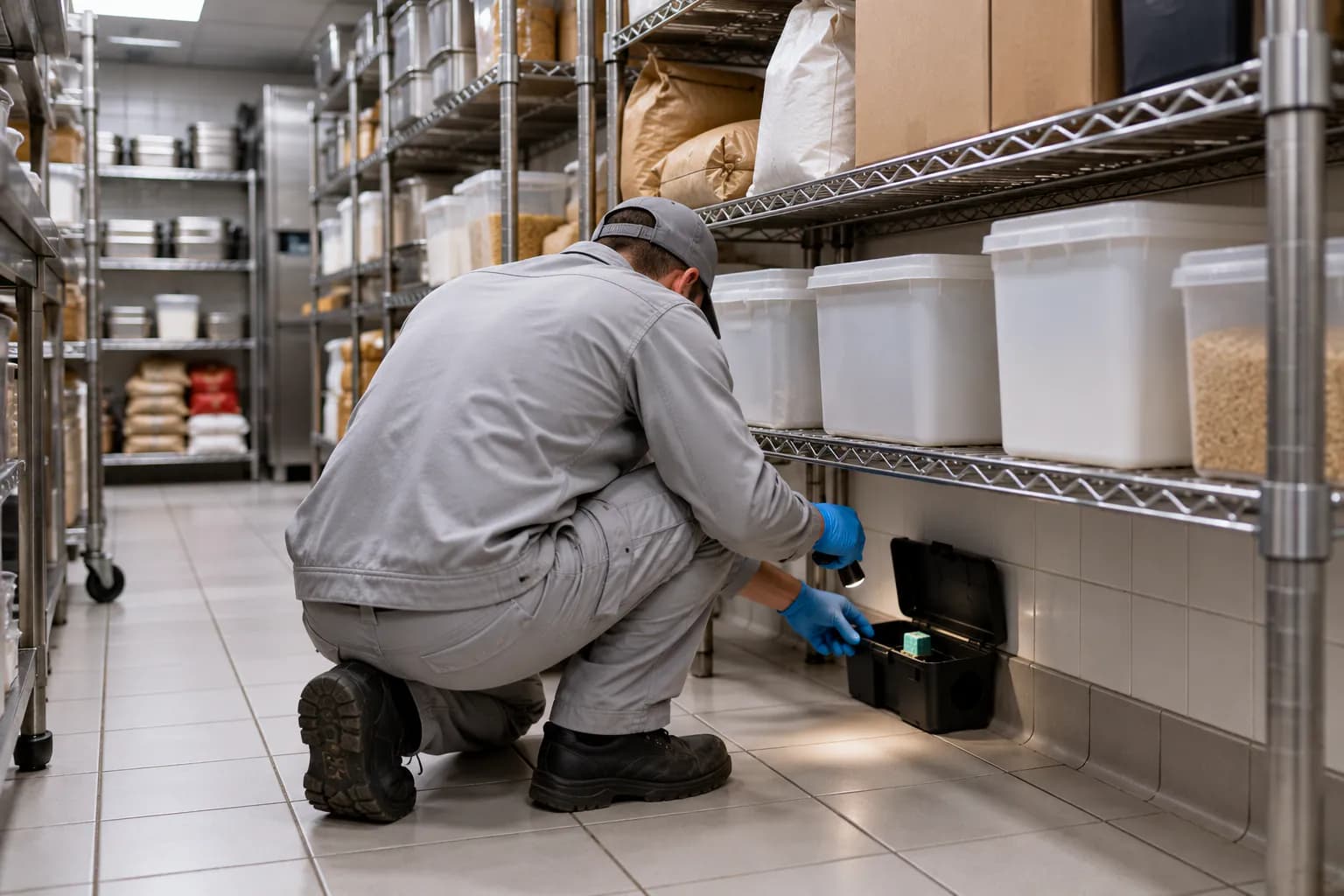 Commercial Pest ControlPest control contracts, routine inspections and EHO-ready records for businesses.Learn More about Commercial Pest Control
Where We Offer Bed Bug Heat Treatment
We provide bed bug heat treatment in Nottingham and right across Nottinghamshire, Derbyshire, Leicestershire and Lincolnshire from our base in Southwell. Choose your area for local details.
What Our Customers Say
5.0 from 194 Google reviews“Absolutely brilliant work. Very polite and professional. He also had so much time for my son. Even showed him in the back of his van. Definitely recommend if anyone has any pests or pigeons stuck in…”
NicolaJune 2026 · Read on Google “I had a great experience with Urgent Pest Control. They responded quickly, showed up on time, and were extremely professional. The technician explained everything clearly, answered all my questions,…”
kris jarrettFebruary 2026 · Read on Google “Gino responded extremely quick and visited my home within a couple of hours of my initial phone call. He got to the root problem fast and I’ve no issues since. Gino followed up with a second visit…”
Clarissa SodenSeptember 2025 · Read on Google “Excellent service, came out same day to help. Searched all areas to resolve the problem and to put things in place to stop them getting in.”
lisa lloydSeptember 2025 · Read on Google “Absolutely amazing service. Returned from a long holiday to find rats had gotten into my house. These guys came the next day (I didn't call until 4pm) and did a follow up visit today. Very helpful…”
Sarah WarrenSeptember 2025 · Read on Google “Hi Gino it's been 3years since you came to place and got rid of bugs and there has been no signs since 2022. Thank you so much”
Corrinne JosephMarch 2025 · Read on Google “Excellent service! Harrison and the team was prompt, professional and they explained everything clearly. Highly recommend for reliable and efficient pest control!”
Lyndsey ReadMarch 2025 · Read on Google “Gino arrived within a couple of hours of my phone call and identified our problem very swiftly. Remedial action was undertaken immediately and two follow up visits ensured that everything was…”
Jillian LowreyDecember 2024 · Read on Google


1 / 8Google reviews
Need Bed Bug Heat Treatment?Book Online Or Call Us Today
Tell us what you've found and we'll sort it: bed bug heat treatment across Nottinghamshire, Derbyshire, Leicestershire and Lincolnshire, with clear advice on cost before we start.
 FAST * LOCAL * DISCREET * TRUSTED *
Book In Under A Minute
Book A Local Pest Controller In 3 Quick Steps
No long forms and nothing to pay online. Tell us what you've found and where, and we'll hold the earliest day for you. If it's urgent — a wasp nest by a door or rats indoors — call us instead.
- Free advice by phone or WhatsApp
- Clear, upfront advice on cost
- Discreet, unmarked vans
- Rated 5.0 on Google
- 01
Tap the pest
Rats, mice, wasps, bed bugs, fleas or something else — pick what you've found.
- 02
Add your address
Start typing and pick it from the list. We hold the earliest day for you.
- 03
Leave your name and number
No payment online. We confirm, and the technician calls when they're on the way.