How to Get Rid of Bed Bugs: What Works and What Doesn't
Why bed bugs are so hard to clear yourself, what kills them, what to do in the first 48 hours, and how heat and insecticide treatments get rid of them.

By the Urgent Pest Control team
Updated · 8 min read

The short answer
To get rid of bed bugs, wash bedding and clothes at 60C and tumble dry on hot for at least 30 minutes, freeze what can't be washed for 2 to 3 weeks, and clear clutter. The NHS says bed bugs are very difficult to get rid of yourself, so most homes need professional heat or insecticide treatment.
- The NHS says it is very difficult to get rid of bed bugs yourself because they may be resistant to some insecticides.
- Heat kills bed bugs fastest: Kells and Goblirsch (Insects, 2011) found a lethal temperature of 48.3°C for adults and 54.8°C for eggs.
- Hot washing at 60C with at least 30 minutes in a hot dryer, or freezing for 2 to 3 weeks, deals with bedding, clothes and small items.
- Heat treatment can clear a contained infestation in one visit; residual insecticide usually takes 2 to 3 visits over several weeks.
- Keep sleeping in the same bed: moving rooms spreads bed bugs into new furniture.
On this page
- Can you get rid of bed bugs yourself?
- What kills bed bugs instantly?
- What should you do in the first 48 hours?
- Why don't shop-bought sprays and foggers work?
- How do professionals get rid of bed bugs?
- How hot does it need to be to kill bed bugs?
- How do you prepare a room for bed bug treatment?
- Does the council treat bed bugs?
- How do you stop bed bugs coming back?
- When to call a professional
To get rid of bed bugs, wash bedding and clothes at 60C and tumble dry on hot for at least 30 minutes, freeze what you can't wash for 2 to 3 weeks, clear clutter and vacuum. The NHS says bed bugs are very difficult to get rid of yourself, so a professional bed bug treatment with heat or insecticide is usually needed to finish the job.
This guide covers what kills bed bugs, what you can do straight away, why shop-bought sprays disappoint, how heat and insecticide compare, and how to stop bed bugs coming back.
Can you get rid of bed bugs yourself?
Rarely completely. The NHS says "It's very difficult to get rid of bedbugs yourself" because they "may be resistant to some insecticides", and advises contacting your local council or a pest control service.
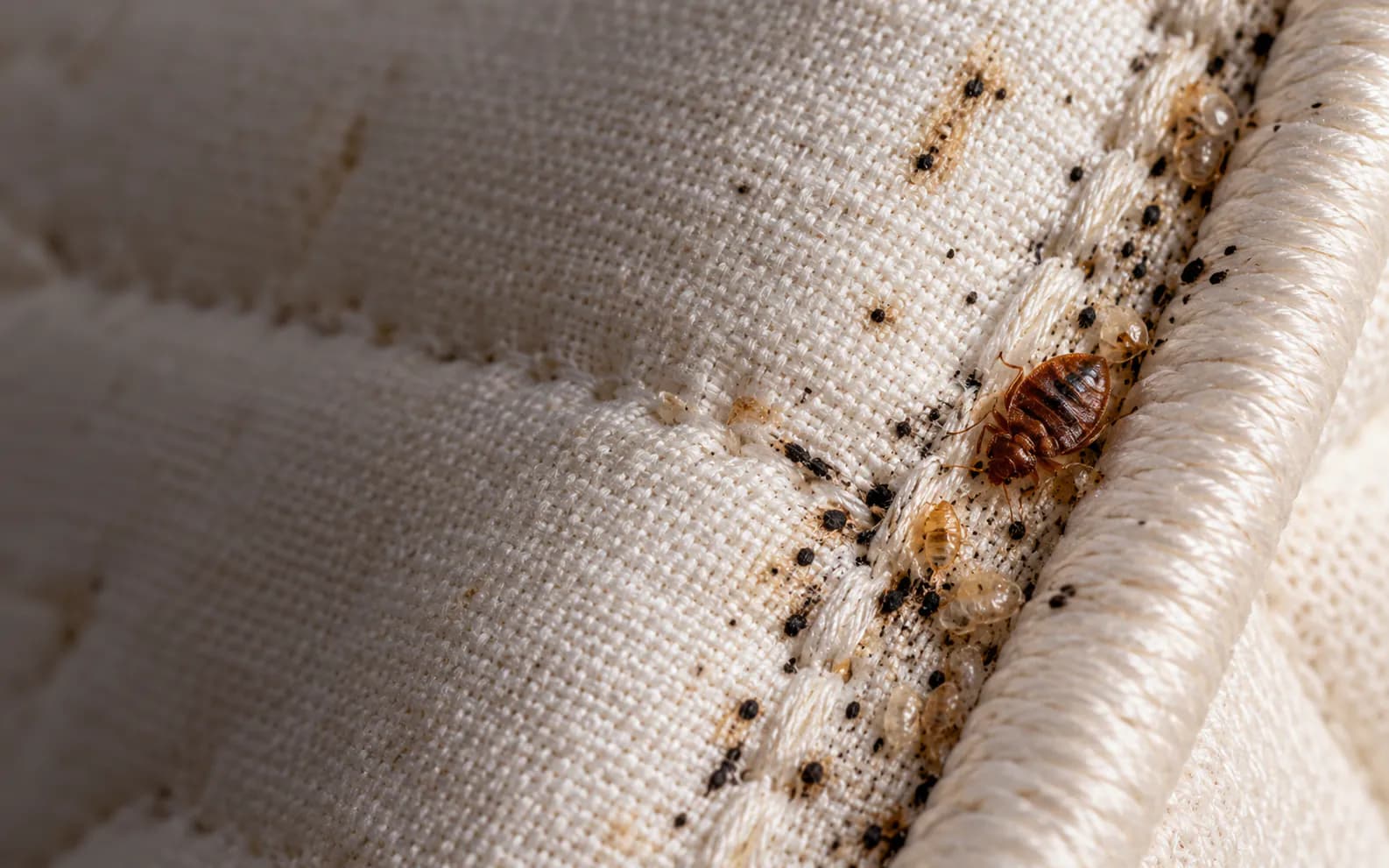
The reason is where they hide. Bed bugs live in mattress seams, bed frames, headboards, skirting boards and furniture joints, and lay eggs in the same cracks. A spray or a hot wash deals with what it touches, but the bugs and eggs deeper in the furniture survive.
What you can do yourself is slow it down and stop it spreading, which also makes a professional treatment more likely to work first time.
What kills bed bugs instantly?
High heat kills bed bugs fastest. A study by Kells and Goblirsch in the journal Insects (2011) found the lethal temperature (LTemp99) was 48.3°C for adult bed bugs and 54.8°C for eggs.
The authors recommended a minimum whole-room exposure of 48°C for 71.5 minutes, or stopping once 50°C or more is reached at every place bed bugs may hide. For bedding and clothes, the NHS advice does the same job on a small scale: a 60C wash and at least 30 minutes in a hot tumble dryer.
Shop sprays can kill the bugs they hit directly, but they don't reach eggs glued into seams, and the NHS warns of insecticide resistance. That is why "instant" products rarely end an infestation.
What should you do in the first 48 hours?
Start with the steps that are safe, cheap and recommended by the NHS. Use this checklist.
- Don't move rooms. Keep sleeping in the same bed so you don't carry bugs to a sofa or spare bed.
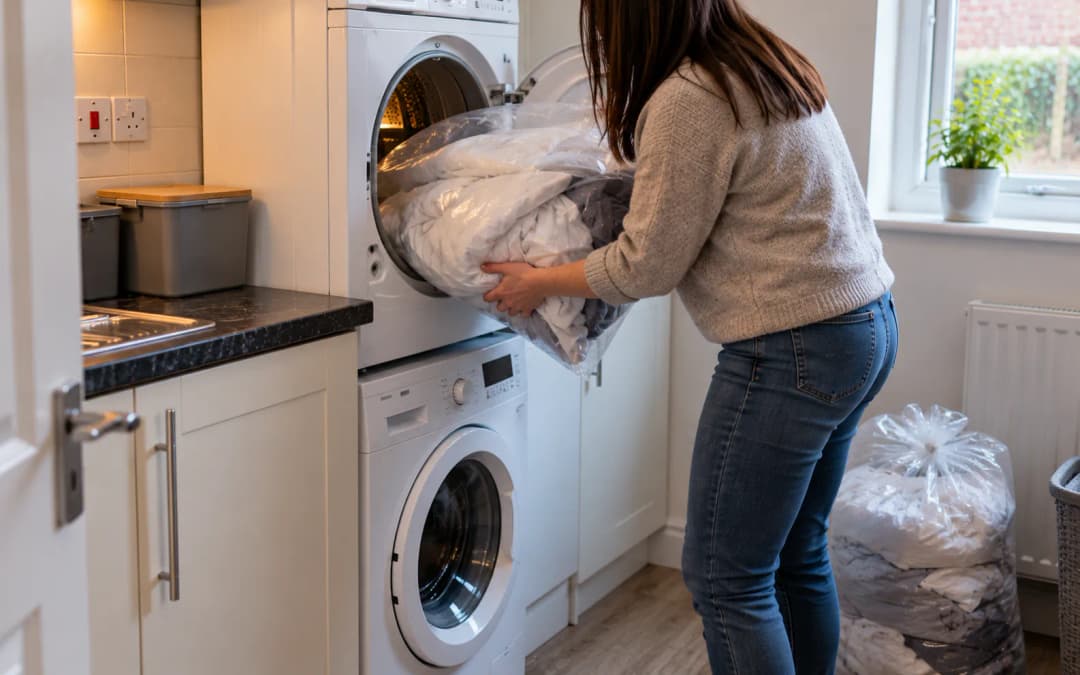
- Strip the bed and hot wash. The NHS advises a hot wash (60C) and tumble drying on a hot setting for at least 30 minutes.
- Bag and freeze what you can't wash. The NHS says to put items that cannot be washed in a plastic bag in the freezer for 2 to 3 weeks.
- Carry laundry in sealed bags straight to the machine, and don't put clean items back into the room until it has been treated.
- Vacuum thoroughly, including mattress seams, the bed base and skirting boards, then empty the vacuum into a sealed bag and put it in an outside bin.
- Clear clutter from around and under the bed. The NHS says not to keep clutter around your bed.
- Pull the bed away from the wall so it only touches the floor.
- Take photos of any bugs, blood spots or dark marks. They help a pest controller judge the size of the problem.
Not sure it is bed bugs? Our guide on how to check for bed bugs shows what to look for, and bed bug bites vs flea bites explains how the bites differ.
Why don't shop-bought sprays and foggers work?
They seldom reach the bugs. Bed bugs spend most of their time tucked into seams and cracks, and the eggs are glued in place. A spray on the surface of a mattress misses most of them, and the NHS notes that bed bugs may be resistant to some insecticides.
Foggers and "bug bombs" fill the air of a room but don't push insecticide into the gaps where bed bugs hide. Repeated rounds of shop products cost money and time while the infestation grows. One customer described exactly this:
"I had bed bugs before in the past from buying second hand furniture from Facebook … we had someone come out they did it twice with a fog machine and it didn’t work … he came two weeks ago and within them two weeks i haven’t seen a single bed big anywhere" — ryan storey, Google review, October 2024
How do professionals get rid of bed bugs?
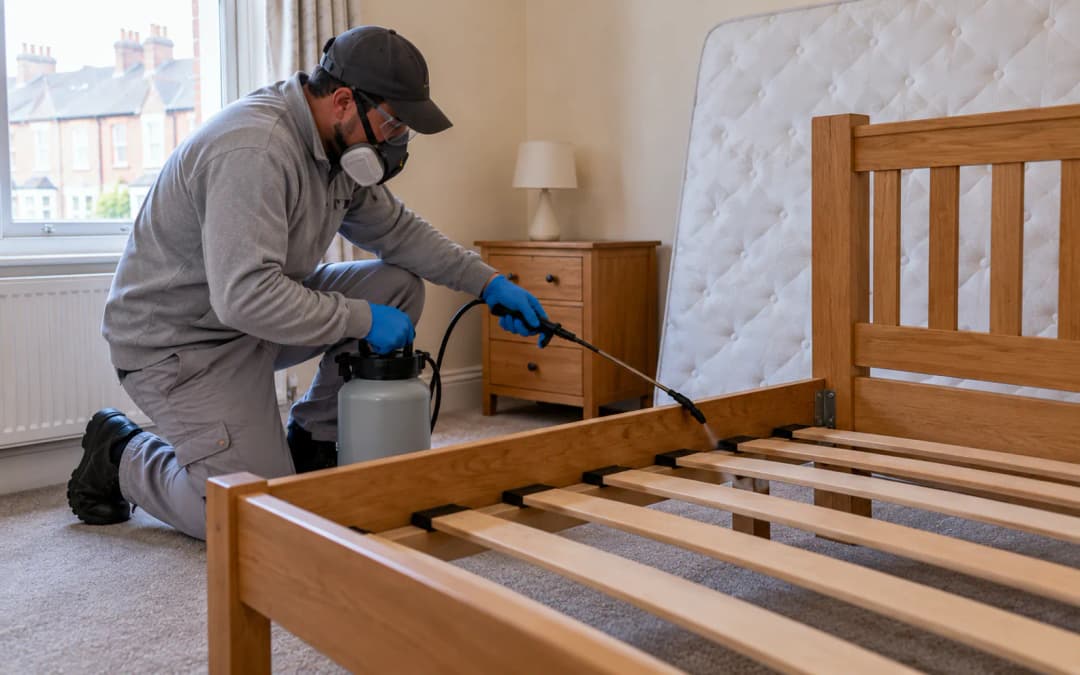
Professionals use heat, residual insecticide, or both. The right choice depends on how many rooms are affected, how long the bugs have been there and what furniture is in the room.
| Heat treatment | Residual insecticide | Combined | |
|---|---|---|---|
| How it works | Room heated to a temperature that kills bugs and eggs | Insecticide applied to hiding places, keeps working as bugs cross it | Heat clears the room; insecticide protects against survivors |
| Our typical method | Above 56°C, often a single visit for a contained infestation | 2 to 3 visits over several weeks | Heat visit plus residual follow-up |
| Kills eggs | Yes, if every hiding place reaches the target temperature | Not reliably, so follow-ups catch young bugs as they hatch | Yes |
| Preparation | Remove heat-sensitive items | Hot wash, bag and declutter | Both |
| Best for | Contained infestations, quick results | Larger or spread infestations | Heavy or long-standing infestations |
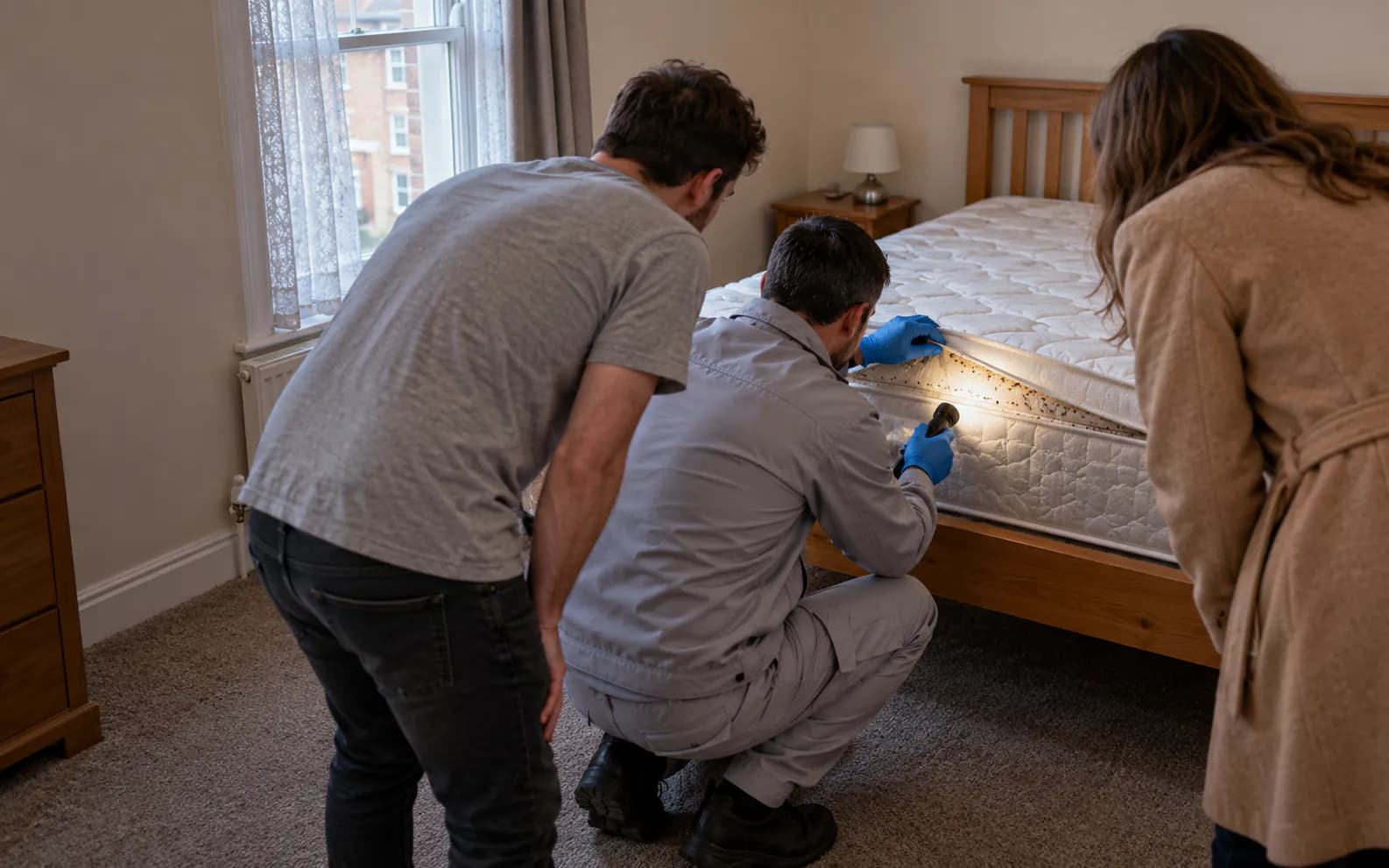
A good treatment starts with an inspection of the bed, the furniture and the rooms next door. In shared houses and flats, the room next door is often where a returning infestation comes from, so a technician checks it before deciding on the method.
How hot does it need to be to kill bed bugs?
Bed bug eggs need more heat than adults: 54.8°C against 48.3°C in the Kells and Goblirsch study. The words "every place they hide" matter. Air in a room heats quickly, but the inside of a mattress, a sofa or a stack of books heats slowly.
That is why our heat treatments take rooms above 56°C and check temperatures in the places bugs hide, rather than relying on air temperature. It is also why a hair dryer, a steamer or a hot car is not a reliable way to treat furniture at home.
How do you prepare a room for bed bug treatment?
Preparation makes the difference between one round of treatment and several. Before the visit:
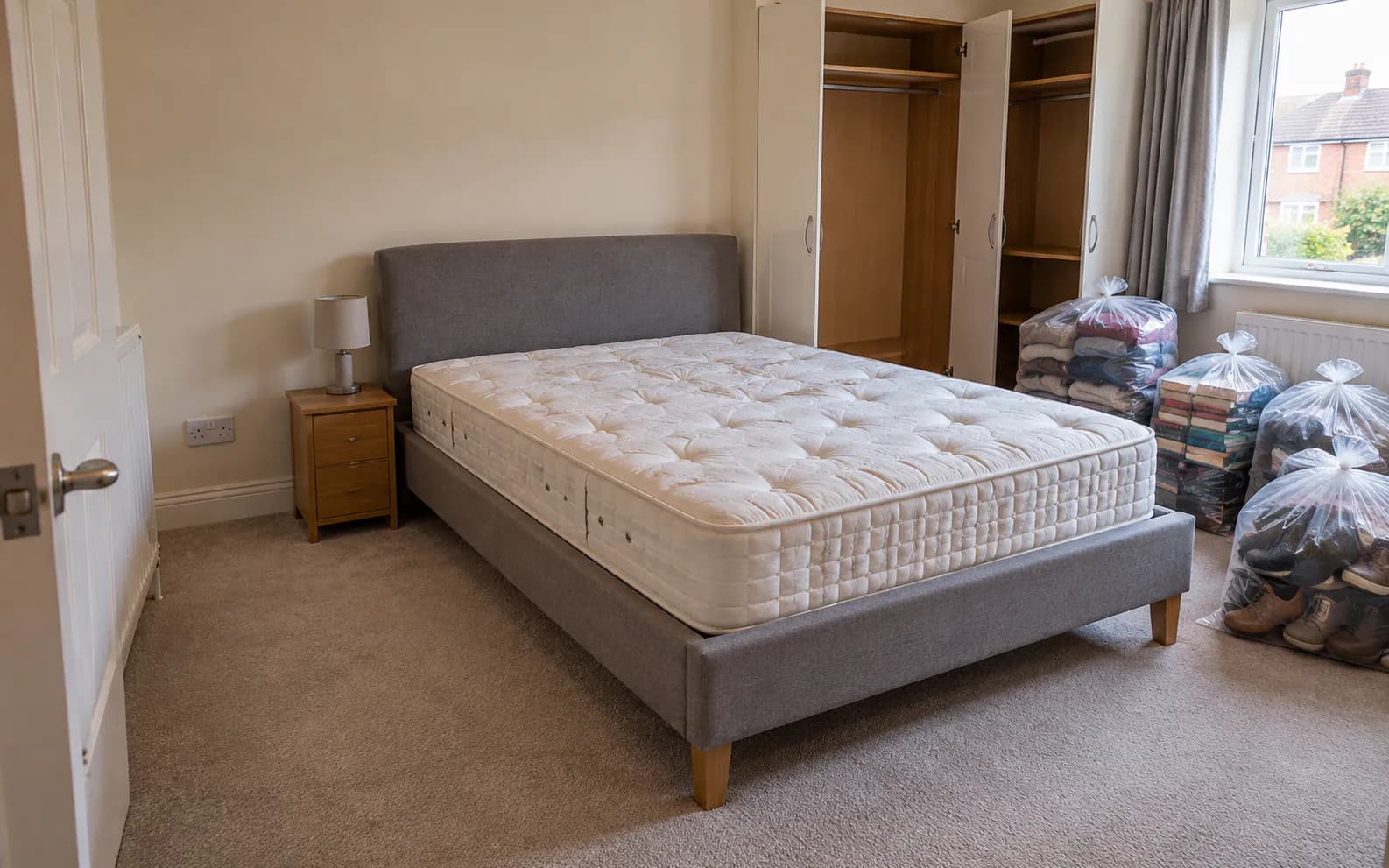
- hot wash and dry bedding, curtains and clothes from the affected rooms, then keep them sealed in clean bags;
- bag items that can't be washed, ready for freezing or treatment;
- clear the floor, under the bed and the tops of wardrobes;
- empty bedside drawers into sealed bags;
- don't move furniture out of the room, as that spreads bugs;
- for heat treatment, remove things that heat can damage, such as medicines, aerosols, candles, vinyl records and some electronics;
- keep pets and fish tanks out of the treatment area, and tell us about them in advance.
We give preparation instructions before every treatment and tell you when it is safe to go back in.
Does the council treat bed bugs?
Some councils do and many don't, so check yours first. Derby City Council lists a two-stage bed bug treatment for homes with three bedrooms or fewer at £218 booked online or £250 by phone in its 2026/27 fees. Nottingham City Council and Leicester City Council don't list bed bugs on their pest control pages, and Newark and Sherwood District Council says "We do not offer a pest control service".
Where the council doesn't cover bed bugs, a private pest controller is the route. Ask any provider which method they use, how many visits are included and what preparation they need from you. Our guide to bed bug treatment cost compares prices.
How do you stop bed bugs coming back?
Check before you bring anything in. The NHS says not to bring second-hand furniture indoors without carefully checking it first, and not to take luggage or clothing indoors without checking it if you have come from a place with bed bugs.
Good habits after travel or a move:
- keep suitcases off the bed and floor in hotels and at home;
- unpack straight into the washing machine and wash at 60C where the fabric allows;
- inspect second-hand beds, sofas and headboards in daylight before they come into the house;
- vacuum regularly; the NHS says regular cleaning helps you spot bed bugs early.
If you rent, tell your landlord as soon as you suspect bed bugs. Our guide to bed bugs and landlord responsibility explains who pays.
When to call a professional
Call a professional as soon as you find live bugs, blood spots or dark marks on the mattress, or bites that keep appearing overnight. Bed bugs spread from room to room and flat to flat, and an early treatment is smaller and quicker than a late one. Call straight away if you have tried sprays or foggers and are still being bitten.
Urgent Pest Control treats bed bugs from £150, with heat above 56°C, residual insecticide over 2 to 3 visits, or both together. We arrive in unmarked vehicles, and we'll explain the likely cost before any work starts; prices depend on the rooms affected, the method and the time of the visit. We cover Nottinghamshire, Derbyshire, Leicestershire and Lincolnshire, including bed bug treatment in Leicester, pest control in Nottingham and pest control in Derby.
We work 7 days a week, 6am to 8pm, with emergency call-outs 365 days a year. Call or WhatsApp 07999 935 929, or book online.
Sources
- NHS: bedbugs
- Kells and Goblirsch (2011): Temperature and Time Requirements for Controlling Bed Bugs under Commercial Heat Treatment Conditions, Insects
- Derby City Council: pest control for householders, fees 2026/27
- Nottingham City Council: pest control
- Leicester City Council: pest control
- Newark and Sherwood District Council: pest control
Frequently Asked Questions
About the author
The Urgent Pest Control team
A family-run pest control company based in Southwell, treating homes and businesses across Nottinghamshire, Derbyshire, Leicestershire and Lincolnshire since 2020. Our guides are written from the jobs we do and checked against UK sources. More about us
Cite this guide: “How to Get Rid of Bed Bugs: What Works and What Doesn't”, Urgent Pest Control, 4 November 2026. https://urgentpestcontrol.uk/blog/how-to-get-rid-of-bed-bugs