Silverfish in the UK: Why You Have Them and How to Get Rid of Them
Why silverfish appear in UK bathrooms and kitchens, how to tell common and grey silverfish apart, and how to get rid of them by fixing damp and treating.

By the Urgent Pest Control team
Updated · 7 min read
The short answer
To get rid of silverfish, reduce the damp they depend on and treat the cracks where they hide. Fix leaks, ventilate bathrooms and kitchens, dry out cupboards and seal gaps around skirting and pipes, then use a residual insecticide. Grey silverfish, a larger species now spreading in the UK, tolerate drier homes and are harder to clear.
- The common silverfish, Lepisma saccharina, depends on damp and only lays eggs in damp conditions.
- Grey silverfish, Ctenolepisma longicaudata, are larger at 15–20mm and can breed at lower humidity.
- Silverfish are not a health pest; they damage paper, books, photographs and wallpaper paste.
- Fixing leaks and ventilation is as important as insecticide; without it, silverfish return.
- Our silverfish treatment combines a residual insecticide with moisture and ventilation advice.
On this page
- What are silverfish?
- Where do silverfish come from?
- What is the grey silverfish?
- Are silverfish harmful, and what do they damage?
- How fast do silverfish breed?
- Where do silverfish hide in a house?
- Can you get rid of silverfish without chemicals?
- How do you get rid of silverfish for good?
- When to call a professional
To get rid of silverfish, take away the damp they depend on and treat the cracks where they hide: fix leaks, ventilate bathrooms and kitchens, dry out cupboards, seal gaps around skirting and pipes, then apply a residual insecticide. If they persist, Urgent Pest Control's silverfish treatment treats the hiding places and gives you practical moisture and ventilation advice, across Nottinghamshire, Derbyshire, Leicestershire and Lincolnshire.
This guide explains what silverfish are, how to tell the common silverfish from the grey silverfish that is spreading in the UK, what they damage and how to stop them for good.
What are silverfish?
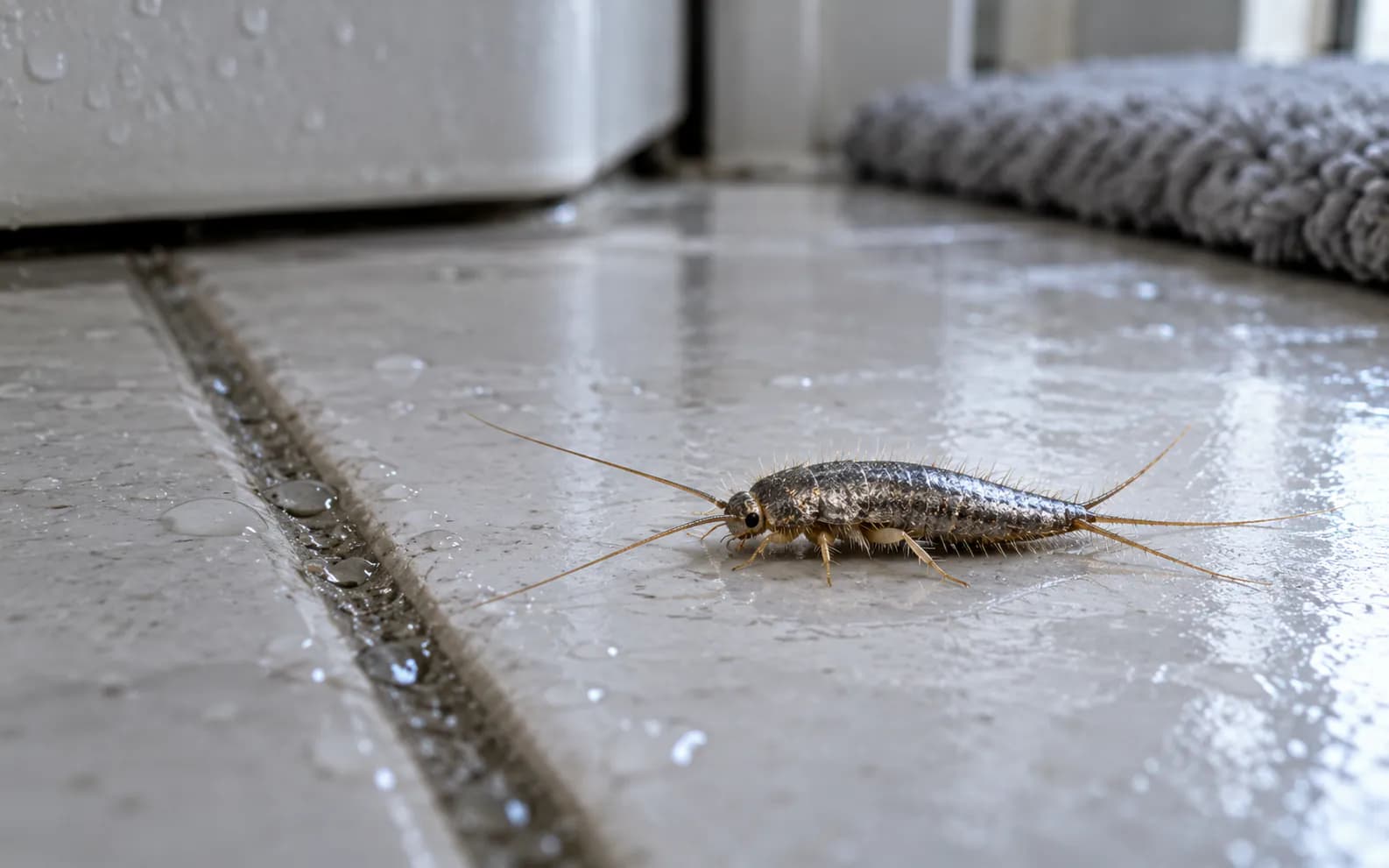
Silverfish are small, wingless, fast-running insects covered in silver scales. English Heritage's pest fact sheet on silverfish and grey silverfish, written by entomologist David Pinniger, describes the common silverfish (Lepisma saccharina) as "long, tapered, segmented insects covered in silver scales" with long antennae and "three long whip-like bristles at the back end of the body".
Adults are 10–15mm long. The young (nymphs) are 2–10mm, look like translucent small adults and are rarely seen. When disturbed, adults "run around very quickly", which is usually how people first notice them: a silver flicker across the bathroom floor when the light goes on.
Where do silverfish come from?
Silverfish come from damp, sheltered gaps inside the house, such as behind bath panels, under sinks and in cellars, because they need damp to breed. English Heritage says common silverfish "will only lay eggs in damp conditions" and that the nymphs live in or very close to damp food. Adults "are frequently found in damp areas, such as bathrooms, toilets, kitchens and cellars".
That makes silverfish a useful warning sign. In English Heritage's words from its guide to pests at home, the silverfish "likes to live in damp conditions, and so its presence alerts us to problems with damp and high humidity". If you see them regularly, look for:
- a slow leak under the bath, shower tray, sink or washing machine
- failed silicone or grout around the bath or shower
- an extractor fan that is broken, too weak or never switched on
- condensation on windows and walls, especially in winter
- damp cupboards under sinks, or a damp cellar
- laundry dried indoors without ventilation
What is the grey silverfish?
The grey silverfish (Ctenolepisma longicaudata) is a larger species that has only recently been found in the UK. English Heritage says it is "very common in many European countries and appears to be spreading rapidly".
The worry is that it is less tied to damp. The fact sheet says grey silverfish "seems to be able to breed and cause damage at lower humidity" than the common silverfish. In a home, that means you may find them in bedrooms, living rooms and offices, not just bathrooms, and fixing damp alone may not be enough.
| Feature | Common silverfish | Grey silverfish |
|---|---|---|
| Latin name | Lepisma saccharina | Ctenolepisma longicaudata |
| Adult length | 10–15mm | 15–20mm |
| Scales | Silver | Grey, may appear blotchy |
| Bristles | Three long tail bristles | Fringe of short bristles on the head and down the sides; longer tail bristles |
| Antennae | Long | Longer than the body |
| Humidity | Needs damp to breed | Can breed at lower humidity |
| Where you find them | Bathrooms, toilets, kitchens, cellars | Damp rooms, but also drier parts of the house |
Source: English Heritage pest fact sheet 8.
Are silverfish harmful, and what do they damage?
Silverfish are not harmful to people, but they damage paper and starchy materials: they eat paper, glue, wallpaper paste and mould. English Heritage lists the materials they damage as "paper, books, prints, drawings, photographs and labels", and occasionally silk and some other textiles. They particularly like materials coated with starch, gelatine or organic dyes, and "flock wallpaper and wallpaper paste are often attacked". They also feed on microscopic mould and greasy surface dirt.

Signs of silverfish damage include:
- scratched, bare or translucent patches on the surface of paper and book covers;
- holes in paper with "irregular thinned edges";
- damaged wallpaper, particularly on damp walls;
- small, cylindrical droppings, which English Heritage notes are larger than those of many insects.
Photographs, old letters and books stored in a damp loft, garage or cellar are the items most at risk at home.
How fast do silverfish breed?
Slowly, compared with most household insects. The common silverfish has a life cycle of normally 6–12 months from egg to adult, depending on temperature, humidity and the quality of the food, according to English Heritage. A steady population can build up slowly in a damp room without you noticing, because the nymphs are small and rarely seen.
Where do silverfish hide in a house?
Silverfish hide by day in narrow, dark, damp gaps and come out at night to feed. In a typical UK home the places to check are:
| Room | Where to look |
|---|---|
| Bathroom | Behind the bath panel, under the shower tray, around pipe boxing and failed silicone |
| Kitchen | Under the sink, behind the dishwasher and washing machine, at the back of food cupboards |
| Toilet | Around the soil pipe and behind the cistern boxing |
| Cellar or garage | Among stored cardboard boxes, papers and books |
| Loft | In stored papers and photographs, especially near a roof leak or condensation |
| Living areas | Behind skirting boards and bookcases, mainly where grey silverfish are present |
Check with a torch after dark, when they are active. Finding them in one wet area usually points to a local leak or ventilation problem; finding large, greyish silverfish in dry bedrooms or living rooms is more suggestive of the grey silverfish.
Can you get rid of silverfish without chemicals?
You can reduce them a great deal without chemicals, and for the common silverfish that is often enough. English Heritage's advice is that the key factor for common silverfish "is damp", and that they only cause serious damage at high humidity. Drying a bathroom out with a working extractor fan, fixing leaks and clearing damp paper and cardboard removes what they need to breed.
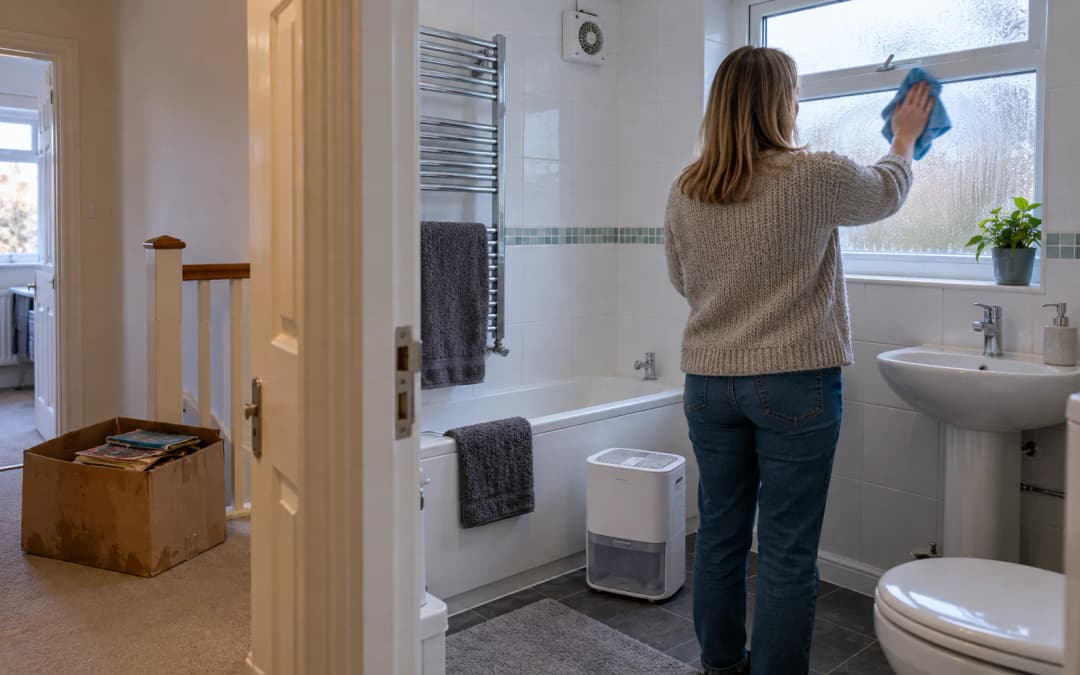
What does not work well on its own is spraying the insects you see. Most of the population is hidden in voids, and nymphs keep emerging. If silverfish are still active a few weeks after you have dealt with the damp, a targeted residual treatment is the next step.
How do you get rid of silverfish for good?
Make the room drier, remove hiding places and food, then treat. Insecticide alone tends to give short-term relief if the damp stays.
1. Fix the moisture
The government's guidance on damp and mould in the home recommends practical steps that also make a home less suitable for silverfish:
- use extractor fans in kitchens and bathrooms, and make sure they work and are powerful enough;
- ventilate when cooking and after bathing;
- cook with pan lids on and keep internal doors shut when cooking and bathing;
- dry laundry outdoors where possible;
- repair leaks and damaged seals promptly.
If you rent, the same guidance says the responsibility to identify damp and mould sits with both tenant and landlord, and that root causes are usually building defects, inadequate ventilation or heating. Report persistent damp to your landlord.
2. Remove food and hiding places
- Move stored paper, books and photographs out of damp areas, into sealed plastic boxes.
- Clear clutter from under sinks and baths.
- Vacuum along skirting boards, inside cupboards and around the bath panel.
- Seal gaps around pipes, skirting and bath panels with a suitable filler or sealant.
3. Treat the hiding places
Silverfish hide in cracks and voids by day. A residual insecticide applied into those cracks, behind bath panels, around pipe entries and along skirting boards reaches them. If you use a shop-bought product, follow the label exactly and keep children and pets away until it has dried. Sticky monitoring traps, like those English Heritage uses in historic houses, help show whether numbers are falling.
When to call a professional
Call a professional if you are still seeing silverfish after fixing obvious damp, if they are in several rooms, if you think you have grey silverfish, or if they are damaging books, photographs or wallpaper you care about. Grey silverfish in particular are harder to control because they don't depend on damp in the same way.
Our silverfish treatment starts with an inspection to confirm the species and find where they are hiding and breeding. We apply a residual treatment to the cracks, voids and service gaps they use, and we give you specific advice on moisture and ventilation for the rooms affected. In our experience the source is very often a failed bath or shower seal, or a boxed-in pipe with a slow drip behind it. If we find woodlice, carpet beetles or something else along the way, we'll tell you, and our guides to carpet beetles and biscuit and plaster beetles cover the other small insects that turn up in damp or new homes.
We'll explain the likely cost before any work starts (see our pest control prices). We work 7 days a week, 6am to 8pm, across Nottingham, Derby, Leicester, Lincoln and the surrounding counties, in unmarked vehicles. Book online, or call or WhatsApp 07999 935 929 with a photo if you're unsure what you've found, or try our pest identifier.
Sources
Frequently Asked Questions
About the author
The Urgent Pest Control team
A family-run pest control company based in Southwell, treating homes and businesses across Nottinghamshire, Derbyshire, Leicestershire and Lincolnshire since 2020. Our guides are written from the jobs we do and checked against UK sources. More about us
Cite this guide: “Silverfish in the UK: Why You Have Them and How to Get Rid of Them”, Urgent Pest Control, 20 October 2026. https://urgentpestcontrol.uk/blog/silverfish