What Attracts Rats and Mice to Your Home (and How to Stop It)
Rats and mice come for food, shelter, warmth and easy access. A room-by-room checklist of what attracts them and simple fixes to make your home less inviting.

By the Urgent Pest Control team
Updated · 7 min read
The short answer
Rats and mice are attracted by food, shelter, warmth and an easy way in. The biggest draws are spilled bird seed, open food and pet food, overflowing bins and compost, clutter, and gaps around pipes, doors and air bricks. Remove the food, tidy the shelter and seal gaps of 5mm for mice and 15mm for rats.
- Food is the main attraction: the Mammal Society notes rats eat almost anything and are often drawn by bird feeder fallout.
- The BPCA says cereals are mice's favourite food and they don't need free water, getting moisture from food.
- Shelter such as clutter, decking, sheds and lofts keeps rodents nearby once they have found food.
- Mice need a gap of only 5mm and rats about 15mm, so access is as important as food.
- Damaged drains are a common hidden cause: a BPCA article estimates 80% of home rat infestations originate from drainage.
On this page
- Why do rats and mice come into homes?
- What attracts rats and mice? A room-by-room checklist
- What food attracts rats and mice most?
- Do pets, chickens and bird tables attract rats?
- Why do shelter and warmth matter?
- How do rats and mice get in?
- What smells do rats and mice hate?
- What should you do if rodents are already inside?
- When to call a professional
Rats and mice are attracted by four things: food, shelter, warmth and an easy way in. The biggest draws are spilled bird seed, open food and pet food, overflowing bins and compost heaps, clutter, and gaps around pipes, doors and air bricks. Remove the food, tidy the shelter, and seal gaps of 5mm for mice and 15mm for rats. Our pest proofing service finds and seals the gaps, and our rat control and mice control treatments deal with rodents already inside.
Autumn is when this matters most. As temperatures drop and food outside gets scarcer, rats and mice look for warm buildings, and the homes they settle in are the ones that offer all four.
Why do rats and mice come into homes?
Rodents come in because a building offers better food and shelter than outside. The Mammal Society describes the brown rat as a true omnivore that will consume almost anything, with cereals forming a large part of its diet, and notes that surplus animal feed, including the fallout from bird feeders, often attracts them. In urban areas, rats feed on scraps from houses and restaurants.
House mice are even more tied to buildings. English Heritage's rodent fact sheet says the house mouse has adapted to live in very close proximity to people, and the British Pest Control Association (BPCA) says mice come into buildings seeking warmth, shelter for nesting sites and food, especially in winter. Mice don't need free water: they get enough moisture from their food.
What attracts rats and mice? A room-by-room checklist
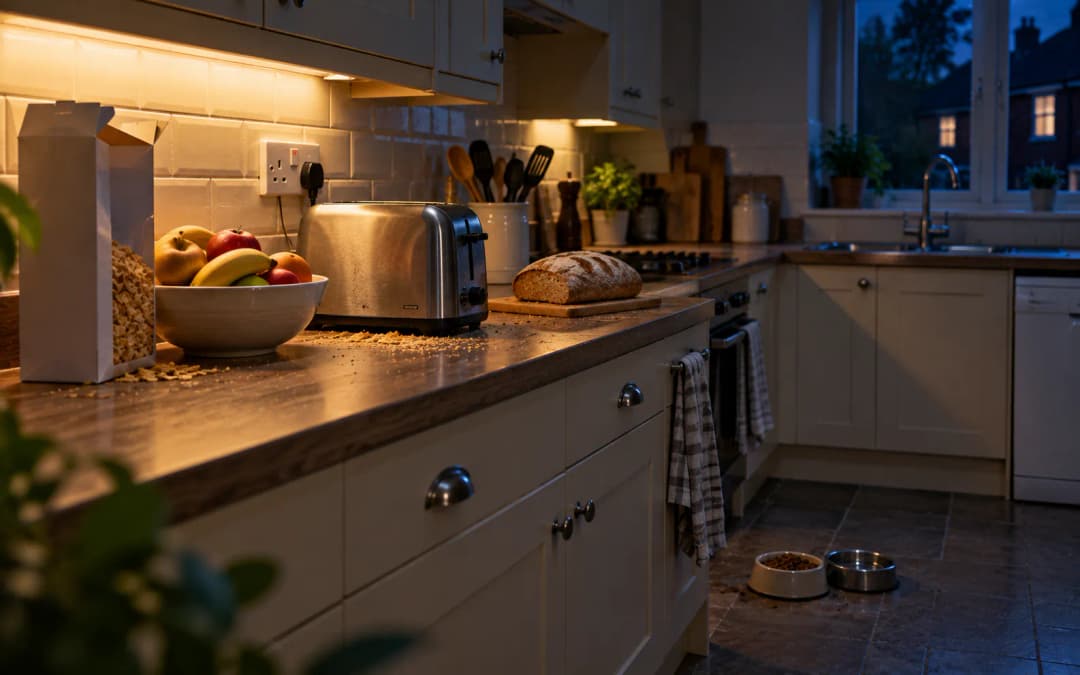
Use this as a walk-round checklist. Each row is something we regularly see on surveys.
| Where | What attracts rodents | Fix |
|---|---|---|
| Kitchen | Crumbs under appliances, open cereal and flour, fruit bowls, food left out overnight | Clean behind and under appliances; store dry food in glass, metal or hard plastic containers |
| Kitchen | Gaps around pipes under the sink and behind the washing machine | Seal with wire wool pressed into cement or a suitable filler; fit escutcheon plates |
| Utility and garage | Pet food, bird seed and grain in sacks; stored animal bedding | Use metal bins with tight lids; keep sacks off the floor |
| Living areas | Pet bowls left down overnight; snacks in sofas | Lift bowls at night; vacuum regularly |
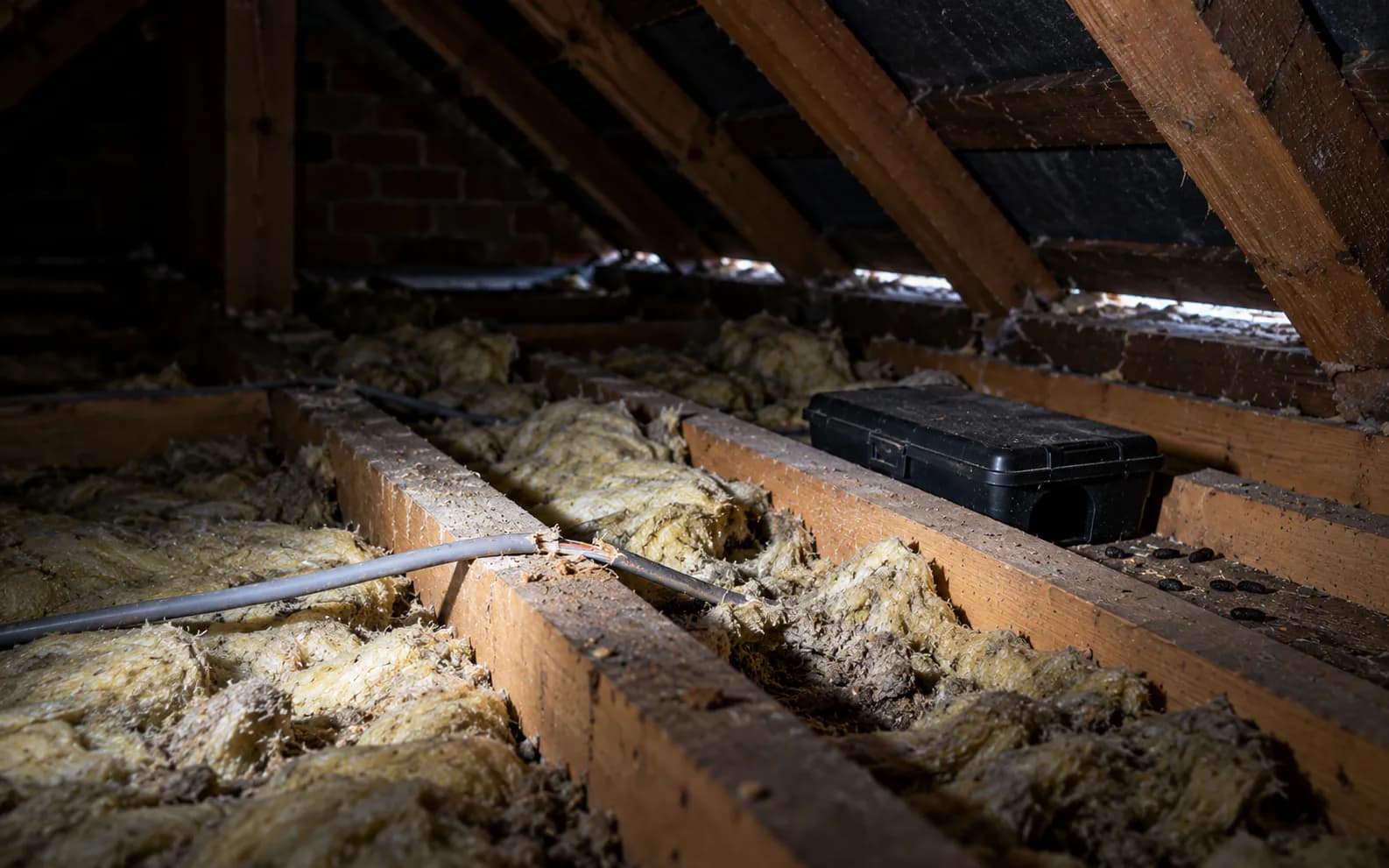
| Loft | Warm insulation, stored cardboard boxes, old clothes and bedding | Store items in sealed plastic crates; reduce clutter |
| Bathroom | Boxed-in pipework with gaps; leaking pipes | Seal gaps around pipes where they pass through floors and walls; fix leaks |
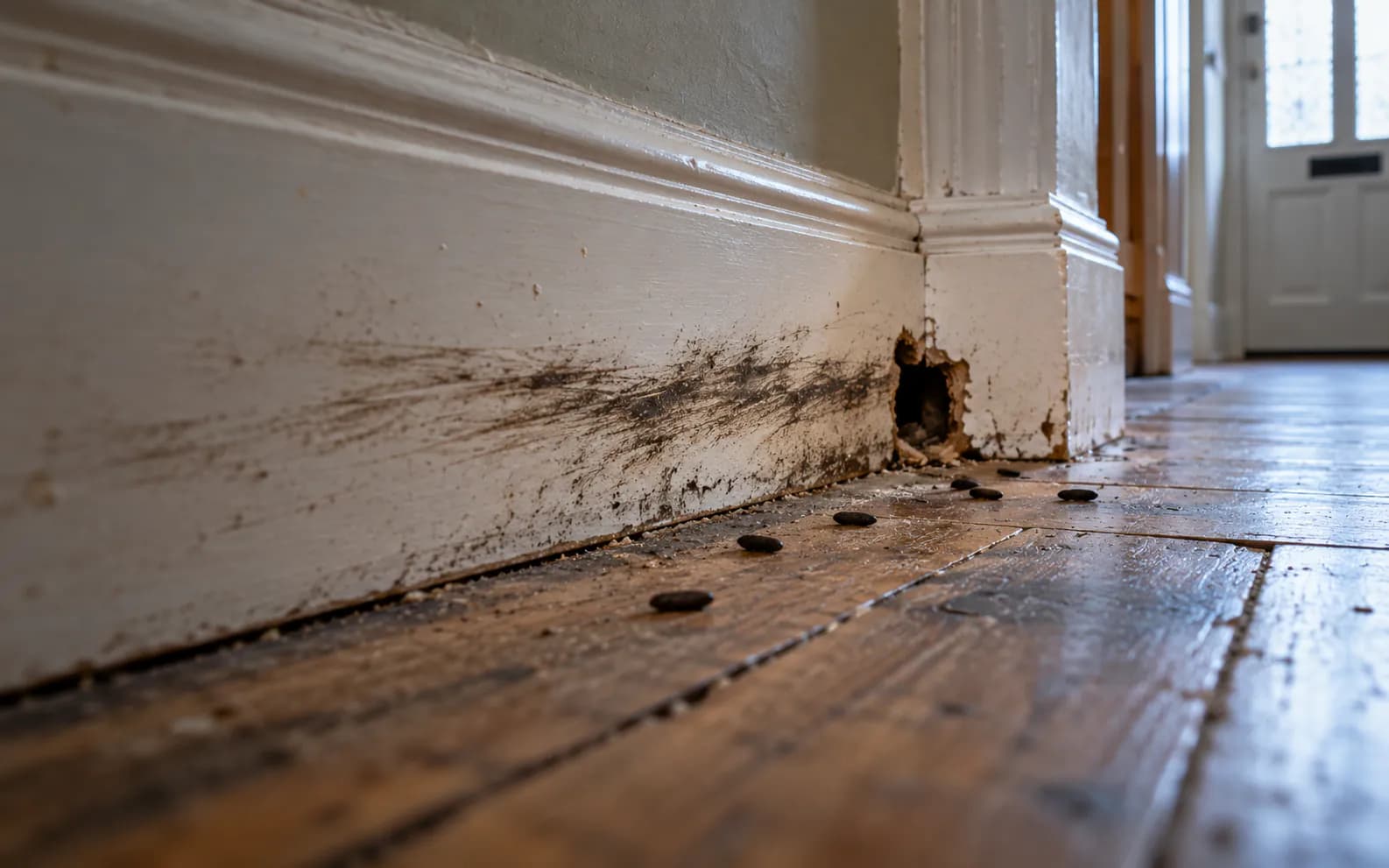
| Outside walls | Damaged air bricks, gaps around pipes and cables, gaps under doors | Fit mesh over air bricks; seal gaps; fit brush strips or metal kick plates to doors |
| Roofline | Gaps at eaves, soffits and under tiles; ivy and branches touching the roof | Repair gaps; cut back plants and branches |
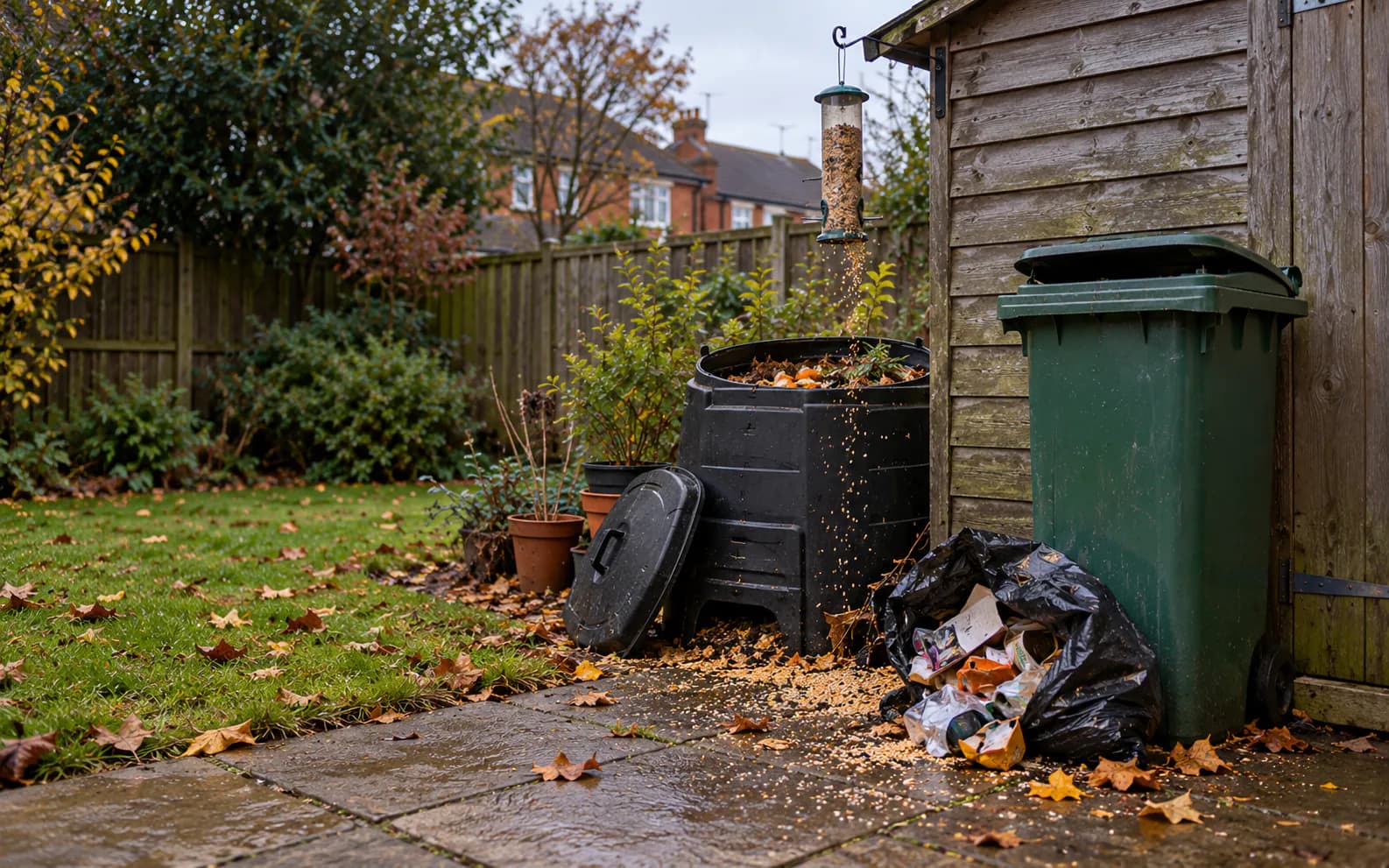
| Garden | Spilled bird seed, open compost with food waste, fallen fruit | Use a bird table or seed tray; protect compost with mesh; clear fallen fruit |
| Bins | Overflowing bins, split bags, bins against fences | Keep lids shut; don't leave bags out; move bins away from fences |
| Sheds and decking | Voids underneath; clutter and log piles | Block gaps with fine mesh; store wood off the ground |
| Drains | Broken gully grids, missing chamber covers, cracked pipes | Replace grids and covers; have suspected defects surveyed |
The garden advice reflects guidance from councils including Colchester City Council, which advises using a bird table or feeder basket to catch dropped seed, bringing bird food in at dusk, and protecting compost heaps with wire mesh.
What food attracts rats and mice most?
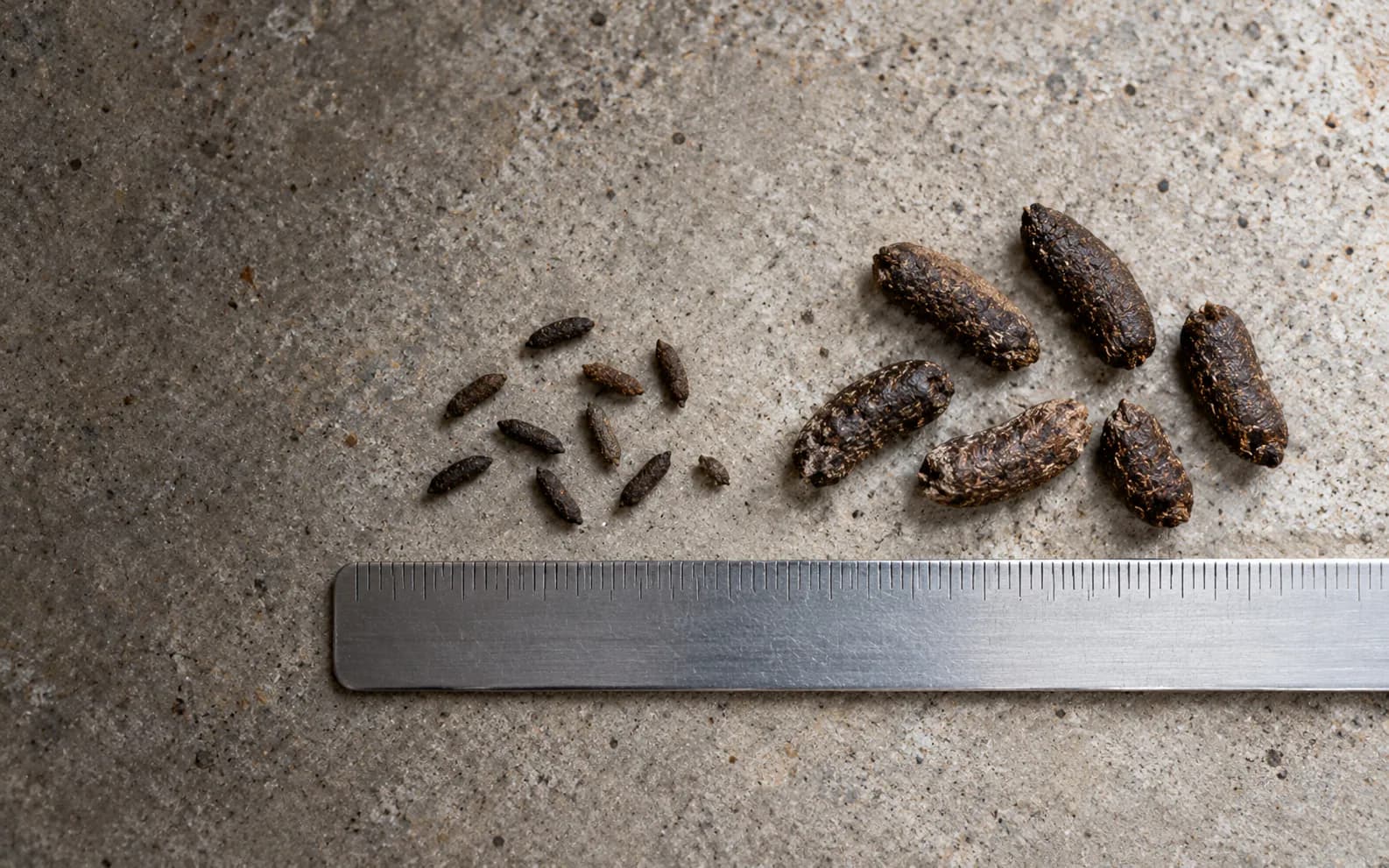
Grain and seeds are top of the list. The BPCA says mice's favourite foods are cereal products, though they will eat almost anything, and that they are erratic feeders that nibble at many sources rather than one. That is why mice in a kitchen often leave droppings across several cupboards.
Rats eat a wider range, including meat, fat and food waste. The Mammal Society notes rats will feed on food scraps from houses and restaurants, and that bird feeder fallout often attracts them. Common food sources around homes include:
- bird seed, peanuts and fat balls, especially seed that falls to the ground;
- pet food left out, and dry pet food stored in its bag;
- chicken feed and spilled grain around runs and coops;
- cooked food, bread and meat in compost bins;
- overflowing bins and split refuse sacks;
- windfall fruit and vegetable patches.
Contrary to cartoons, cheese is not a favourite. The BPCA describes it as a comparatively poor bait for mice.
Do pets, chickens and bird tables attract rats?
They can, through the food that comes with them rather than the animals themselves. Chicken feed is grain, which is exactly what rats prefer, and hens scatter it. Pet food left down overnight, rabbit and guinea pig hutches with spilled mix, and bird tables that drop seed all provide an easy, regular meal.
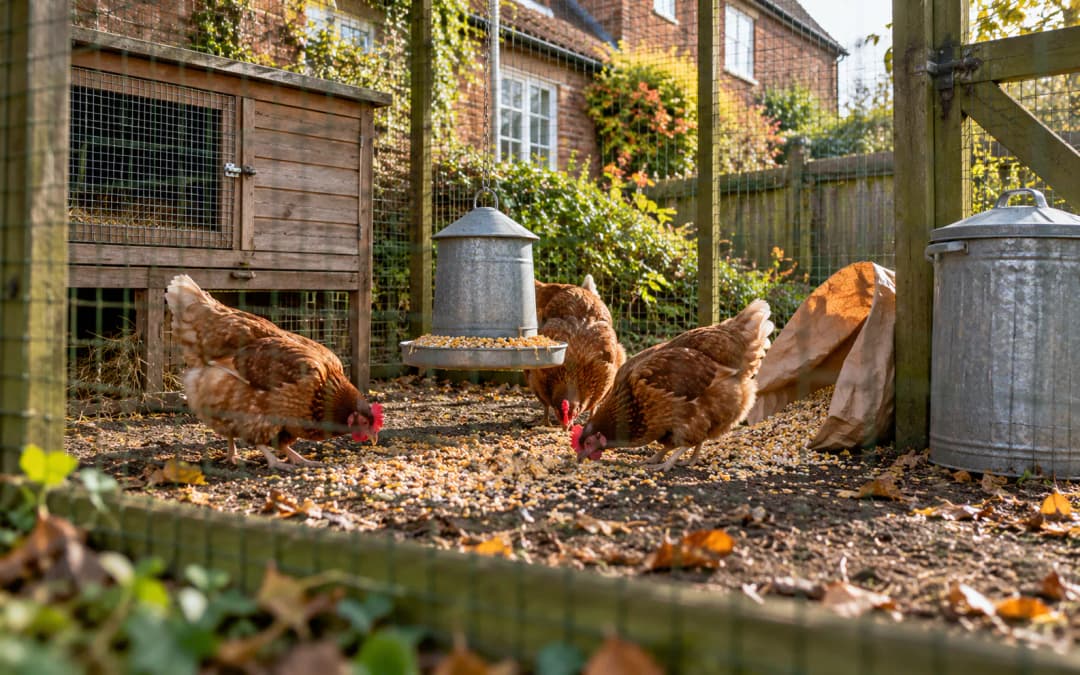
You don't need to give them up. Feed chickens in the morning and remove or cover feeders at night, use rat-resistant feeders, keep feed in metal bins, and stand hutches and coops on paving or mesh so rats can't burrow underneath. Feed garden birds little and often, use a seed tray, and bring feeders in at dusk if rats are about.
Why do shelter and warmth matter?
Food brings rodents in; shelter makes them stay. Rats dig burrows under sheds, decking, paving and hedges, and the Mammal Society describes their burrow entrances being joined by obvious, well-used runs. Indoors, the BPCA says mice build nests from cloth, wool and paper in roof spaces, under floors and in wall cavities.
Clutter gives rodents somewhere to hide and nest close to food. Lofts full of cardboard boxes, garages with sacks and old furniture, and gardens with log piles and overgrown corners all make a property more attractive. Clearing these, after any active infestation has been treated, removes much of the cover.
How do rats and mice get in?
Rodents need an entry point, and they need very little. The BPCA says mice can squeeze through cracks as small as 5mm. Councils including Colchester say rats need a gap of only 15mm.
The commonest entry points are:
- gaps around pipes and cables where they pass through outside walls;
- damaged or missing air bricks;
- gaps under external doors and garage doors;
- gaps at the eaves and under roof tiles;
- broken drains under the house.
Drains are often overlooked. In an article published by the BPCA, a member pest controller estimates that on average 80% of rat infestations in homes originate from drainage. If rats keep coming back despite good hygiene, the drains are worth checking; our rats in drains service works with our sister company, Urgent Drainage Solutions, on CCTV surveys and repairs.
Mice and rats both climb, so gaps above ground level count too. Our guide on whether mice can climb walls explains.
What smells do rats and mice hate?
Peppermint oil, ammonia, chilli, cloves and vinegar are the smells most often said to repel rats and mice, but there is no good evidence that any of them will drive out rodents that have found food and shelter. At best a strong smell makes one spot less attractive for a short time; the rodents simply use another route. Food smells, by contrast, clearly attract them.
What we find on surveys is that homes "protected" by peppermint sachets or plug-in devices still have mice if the food and the gaps are still there. Ultrasonic repellers have the same problem: MyJobQuote's rat exterminator cost guide says there is no proven evidence that plug-in ultrasonic repellers work. Spend the money on sealed food containers, mesh and filler instead. Removing the attraction and closing the gaps works far better than any smell.
What should you do if rodents are already inside?
If you are already seeing signs, don't start a big clear-out or block every hole at once. Disturbing rodents or sealing them in can push them further into the house. The CRRU code of best practice advises noting changes to be made, but not clearing a site before treatment, because it disturbs the rodents and makes treatment harder.
The best order is: remove easy food, treat the rodents, then proof and tidy once activity stops. Our guides to how to get rid of mice, the signs of rats in the house and rats in the garden explain each step.
When to call a professional
Call a professional if you have signs of rats or mice despite good hygiene, if rodents keep coming back every autumn, or if you can't find where they are getting in. A survey from ground level to the roofline usually finds entry points that are easy to miss.
Urgent Pest Control surveys the property, treats any rodents already inside, and prices proofing separately: gaps sealed with wire mesh, steel wool and cement, or metal plates. Rat control starts from £200 and mice control from £200, with follow-up visits included. The final price depends on the job, and we'll explain the likely cost before any work starts. See our pest control prices.
We cover Nottingham, Derby, Leicester, Lincoln and the surrounding counties, 7 days a week from 6am to 8pm. Book online, or call or WhatsApp 07999 935 929.
Sources
Frequently Asked Questions
About the author
The Urgent Pest Control team
A family-run pest control company based in Southwell, treating homes and businesses across Nottinghamshire, Derbyshire, Leicestershire and Lincolnshire since 2020. Our guides are written from the jobs we do and checked against UK sources. More about us
Cite this guide: “What Attracts Rats and Mice to Your Home (and How to Stop It)”, Urgent Pest Control, 4 November 2026. https://urgentpestcontrol.uk/blog/what-attracts-rats-and-mice