Rats in Walls: Why They're There and How to Get Them Out
Scratching in the walls at night? Why rats get into cavity walls, the link with broken drains, what not to do, and how a professional closes the route.

By the Urgent Pest Control team
Updated · 8 min read
The short answer
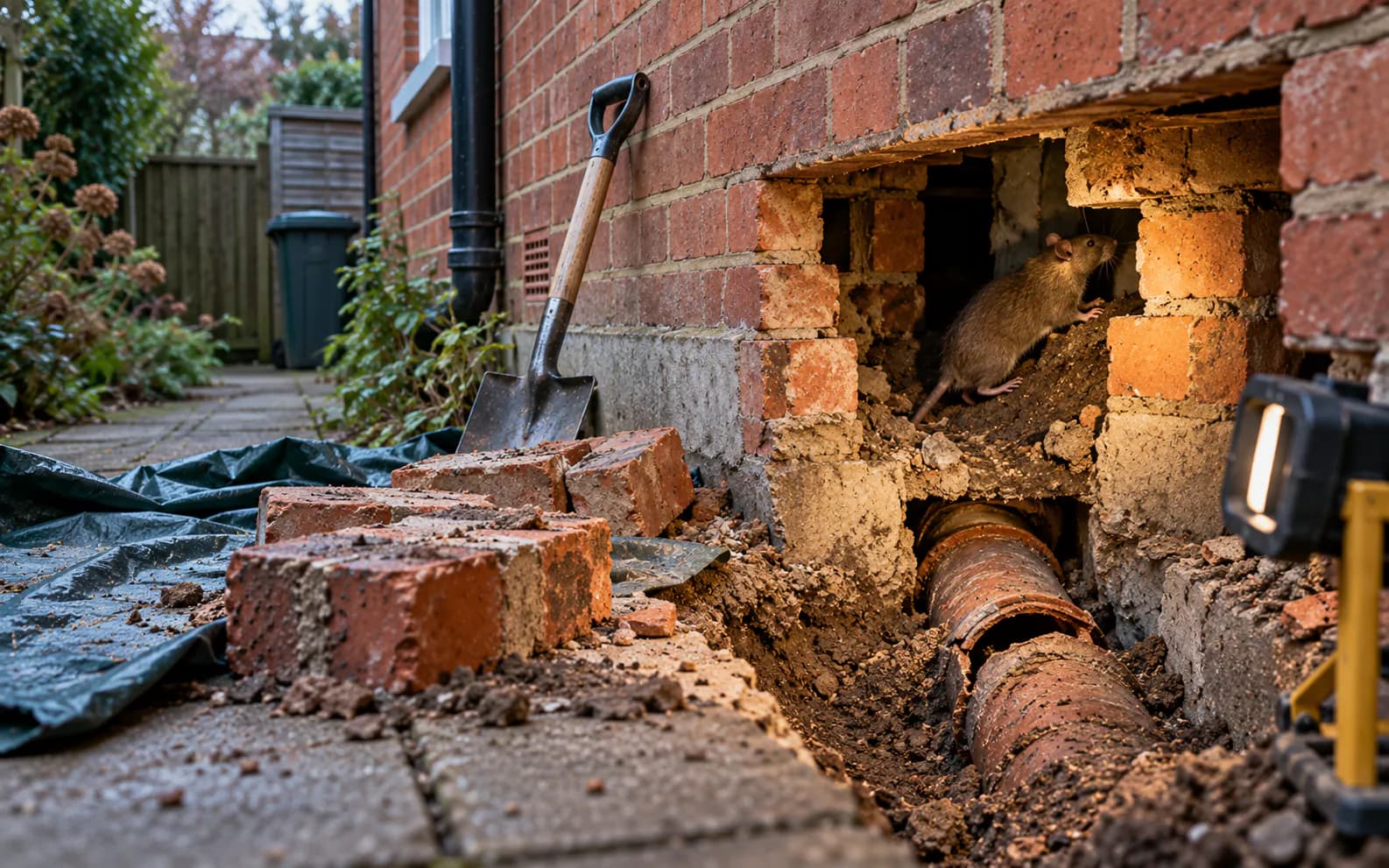
Rats in walls usually get there from below: a cracked or disused drain under the house lets them into the wall cavity, and they climb from there into floors, ceilings and the loft. Signs are scratching at night, gnawing and a stale smell. Treat the rats and find the entry point, often with a drain survey, or they return.
- A BPCA article estimates that on average 80% of rat infestations in homes originate from drainage.
- Scratching in walls at night, with no obvious way in, often points to a defective or disused drain.
- Don't block holes or lay loose poison: rats can be trapped in voids and die there.
- Approved Document H lists one-way valves such as rat blockers as a way to stop rats travelling up drains.
- Rat control starts from £200; our sister company carries out CCTV drain surveys and repairs.
On this page
- How do rats get into the walls?
- What are the signs of rats in walls?
- Can rats be in the walls but not in the house?
- What about rats under the floorboards?
- Is it rats or mice in the walls?
- What should you not do if you have rats in the walls?
- How do professionals get rats out of walls?
- Who is responsible for the drain?
- Can rats damage the inside of walls?
- How long does it take to get rid of rats in walls?
- When to call a professional
Rats in walls usually get there from below. A cracked or disused drain under the house lets them out of the sewer and into the wall cavity and floor voids, and from there they climb into ceilings and the loft. The signs are scratching or scurrying at night, gnawing and a stale smell. Our rat control service, from £200, treats the rats and finds the route, and where the drains are the cause we work with our sister company on a CCTV survey.
This guide explains how rats get into walls, how to tell what is going on, what not to do, and how the route is closed so the problem doesn’t keep coming back.
How do rats get into the walls?
The most common route is the drains. In an article published by the British Pest Control Association, a member pest controller estimates that on average 80% of rat infestations in homes originate from drainage. The article names defective drains, dry lines not capped off properly when an extension was built, and drainage altered to add extra utilities.
Brown rats live in sewers. When a pipe under or beside a house is cracked, has an open joint, or has been disconnected and left open, rats can leave the pipe and dig into the soil under the floor. From there, the wall cavity is a sheltered route up to the first floor and the loft.
Other routes into walls include:
- damaged or missing air bricks and vents;
- gaps around pipes and cables where they pass through the outside wall;
- gaps at the eaves and fascias, letting rats in from the top;
- holes into the cavity left by builders, satellite installers or old boiler flues.
Councils advise that rats need only about a 15mm gap. Colchester City Council says they only need a gap of 15mm to enter a property.
What are the signs of rats in walls?
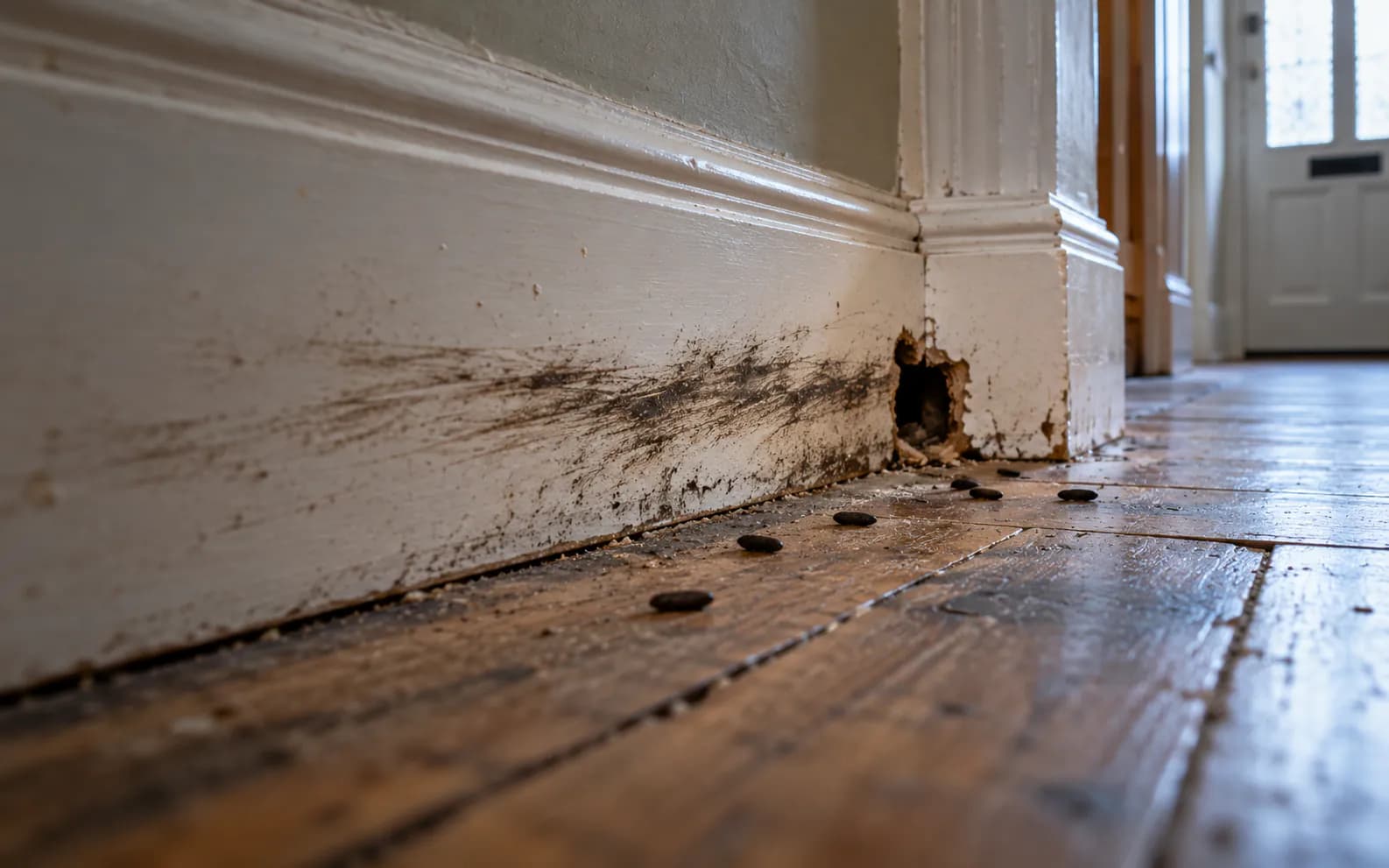
The main signs are scratching or gnawing in the walls at night, a stale or rotten smell, and droppings where walls meet floors.
| What you notice | What it usually means |
|---|---|
| Scratching or scurrying in walls at night | Rats travelling through the cavity or behind plasterboard |
| Noises that move between floors | Rats using the cavity as a route to the loft |
| Gnawing sounds | Rats chewing timber, pipes or cables, or enlarging a hole |
| Stale ammonia smell near a wall | Urine in the void; ongoing activity |
| Sweet, rotten smell | A dead rat in the wall or under the floor |
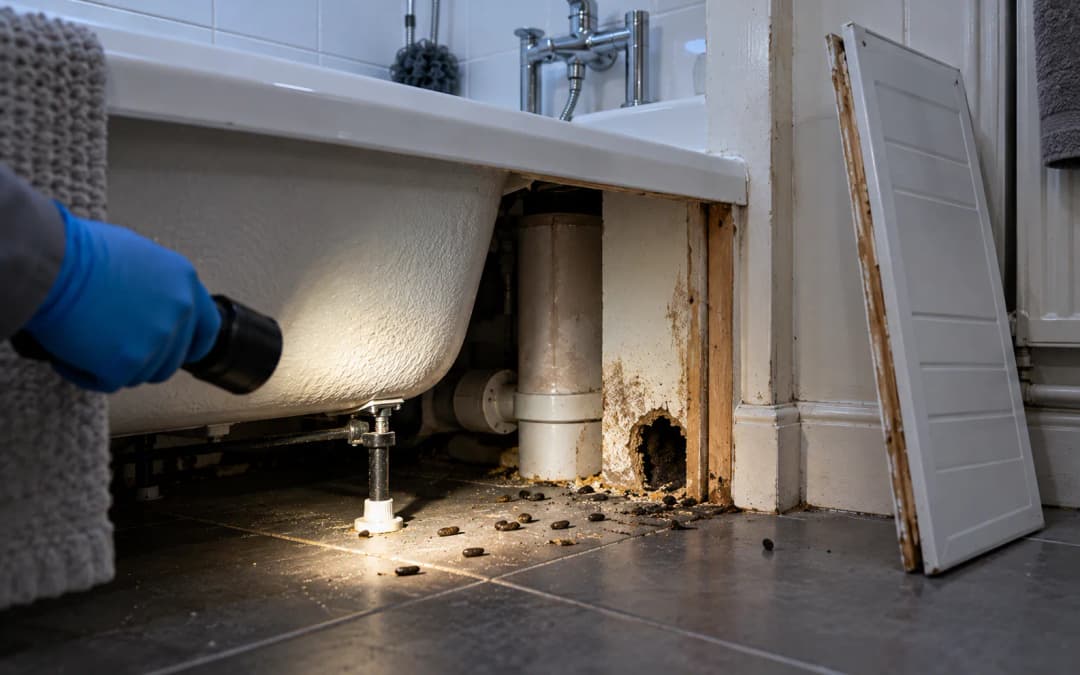
| Droppings behind kitchen plinths or bath panels | Rats coming out of the walls into rooms |
| Noises near the toilet, soil stack or kitchen sink wall | Rats following pipework from the drains |
| Rats return after previous treatment | The entry point, often a drain defect, has not been found |
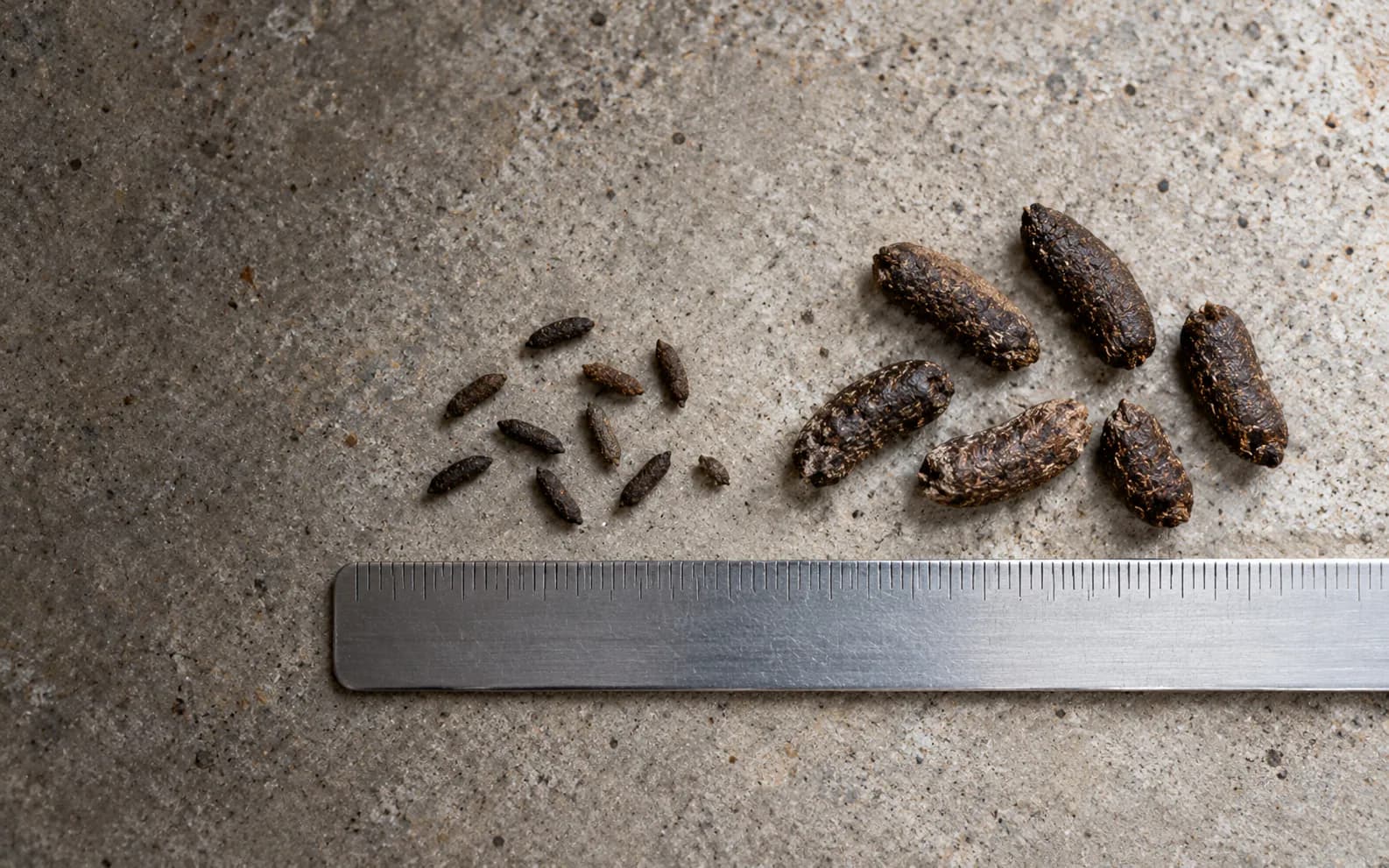
Noises at night are the most common first sign: brown rats are mostly active after dark. If you are also finding droppings, compare them with our guide to rat vs mouse droppings, because mice in walls are common too.
Can rats be in the walls but not in the house?
Yes, and it is common. Rats can live in and travel through cavity walls, floor voids and boxed-in pipework without ever coming into a room, because the route from a defective drain to the loft runs entirely inside the structure. You hear them, and may smell them, but find no droppings in living areas.
That doesn't mean you can ignore them. Rats in the structure gnaw cables and pipes, and any gap behind a kitchen unit, bath panel or loose skirting gives them a way into the room. It also usually means the entry point, often a drain defect, is still open.
What about rats under the floorboards?
Rats under the floorboards are usually coming from the same place as rats in the walls: a broken drain or a damaged air brick into the floor void. Signs include scratching and gnawing under the floor, a smell rising through gaps in boards, and droppings around pipes where they come up through the floor. Older Victorian and Edwardian terraces with suspended timber floors, common across Nottingham, Derby and Leicester, have large voids that rats can use as a highway between houses. Bait stations go at the points where rats come out, and the void entrance is proofed once activity stops.
Is it rats or mice in the walls?
Both live in wall cavities. Mice can squeeze through cracks as small as 5mm, according to the BPCA's mice leaflet, and English Heritage describes them as agile climbers that move easily through cavity walls and under floorboards. Mice sound lighter and quicker; rats sound heavier, with thuds and gnawing.
Droppings are the best clue: rat droppings are up to about 17mm long, mouse droppings 3–6mm. If you think it's mice, see our guides on how to get rid of mice and whether mice can climb walls.
What should you not do if you have rats in the walls?
A few common reactions make the problem worse:
- Don't block the holes straight away. Sealing rats inside the wall can push them into the house through a new hole, or leave them to die in the cavity.
- Don't put loose poison into the wall. Rats that eat bait in a void often die there, and the smell can last for weeks. Professional rodenticides are restricted under the UK stewardship regime for good reason.
- Don't knock holes in the wall to look. You may create a new way into the room.
- Don't ignore it if it goes quiet. Rats move around; silence for a few days doesn't mean they have gone.
How do professionals get rats out of walls?
There are two parts: treating the rats, and closing the route.
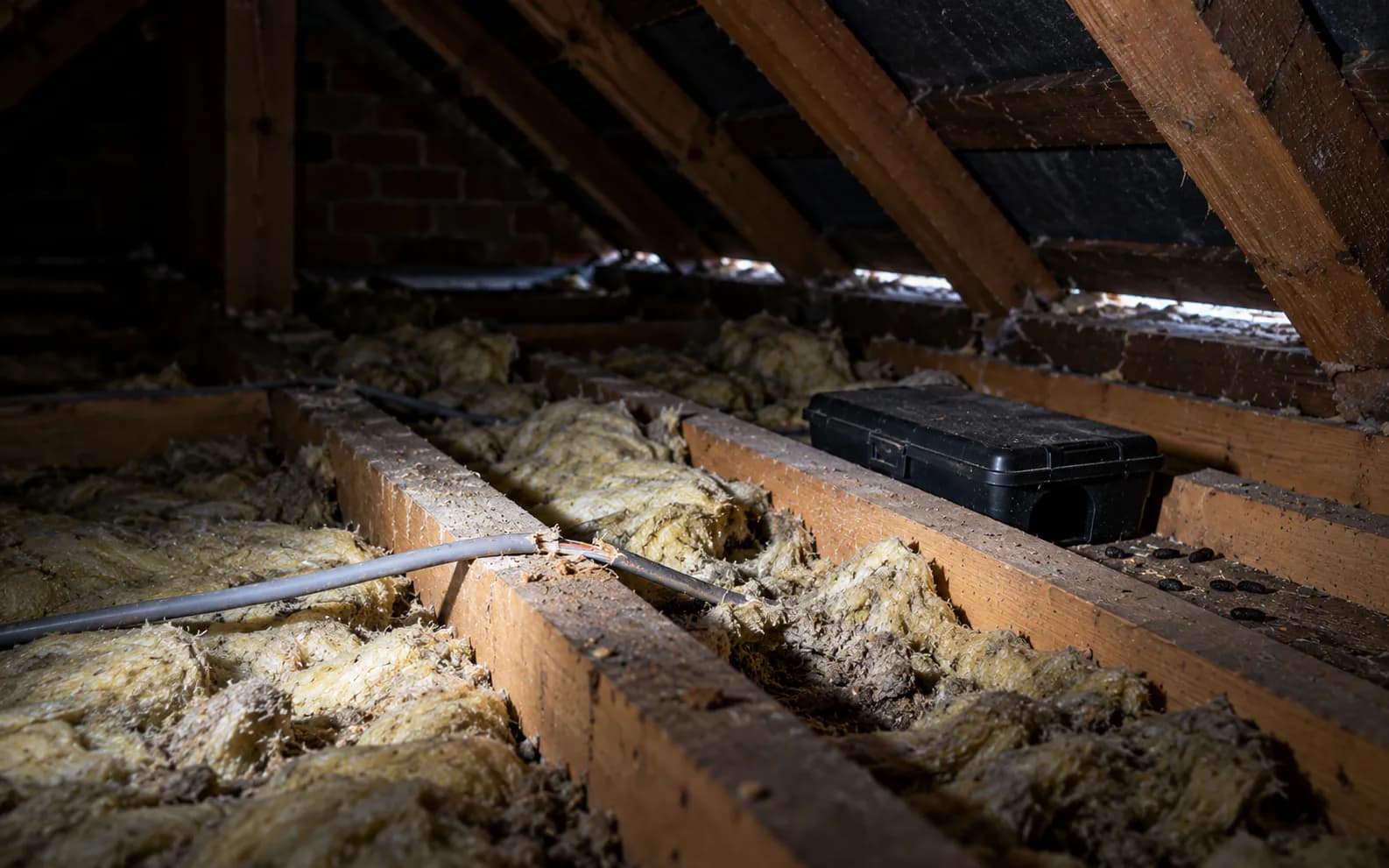
Treating the rats. We survey the house and the outside, then place professional rodenticide in locked, tamper-resistant bait stations, or traps, at the points where rats come out of the walls: behind kitchen plinths, under the bath, in the loft and at the base of the wall outside. Stations are recorded, checked and topped up at follow-up visits, and removed at the end. The CRRU code of best practice requires professional users to inspect bait regularly, search for and remove bodies, and never leave bait down at the end of a treatment.
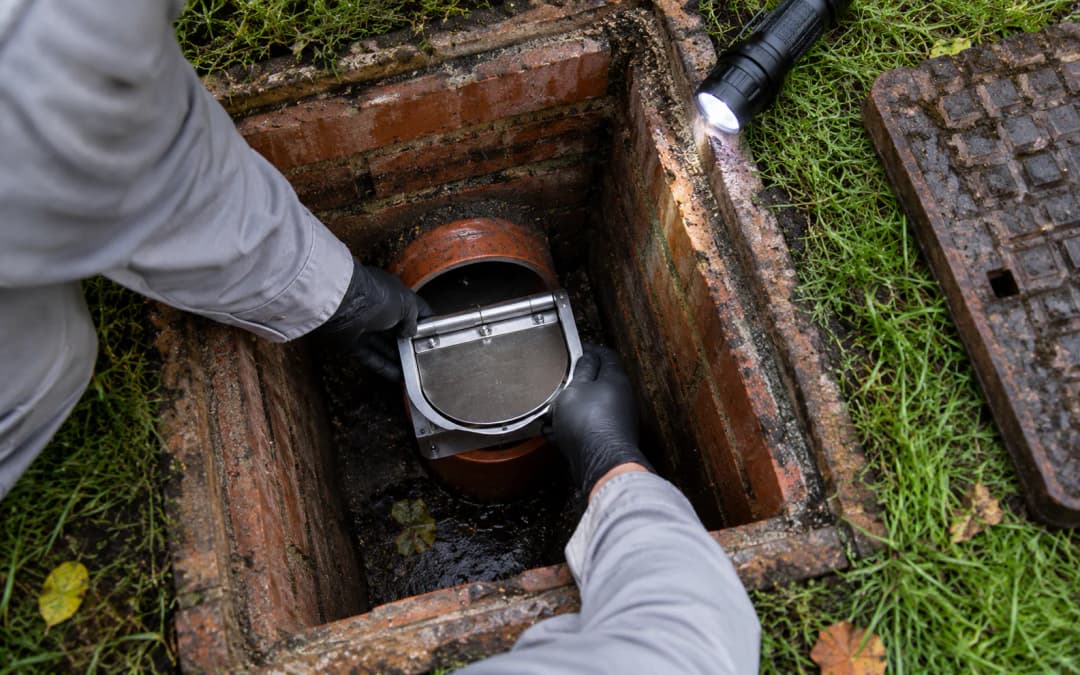
Closing the route. If the rats are coming from a drain, the drain needs investigating. Our rats in drains service covers this, with CCTV surveys and repairs carried out by our sister company, Urgent Drainage Solutions. Typical fixes include repairing cracked pipes, capping disused connections, and fitting a rat blocker. Approved Document H of the Building Regulations lists one-way valves among the measures for preventing rodents from travelling through drains. Above-ground gaps are sealed with mesh, steel wool and cement, or metal plates, as part of our pest proofing work.
Most domestic rat jobs take two to three weeks from the first visit. If a drain repair is needed, it is priced separately, and the likely cost is explained before any work starts.
Who is responsible for the drain?
It depends where the defect is. Citizens Advice explains that you are responsible for drains within your boundary that serve only your property, and the water company is responsible for shared sewers and lateral drains. In most of Nottinghamshire, Derbyshire and Leicestershire that is Severn Trent; in most of Lincolnshire it is Anglian Water.
Councils also have powers. Under section 4 of the Prevention of Damage by Pests Act 1949, a council can serve notice on an owner or occupier requiring steps to keep land free from rats, including structural repairs. If you rent, see our guide to who pays for pest control.
Can rats damage the inside of walls?
Yes. Rats have to gnaw constantly to keep their front teeth worn down, and they will chew through timber, plastic pipes, plasterboard, insulation and cables to make or widen a route. English Heritage's rodent fact sheet warns that rodents readily gnaw electric cables, leading to costly repairs and even the possibility of fires, and that rodents and squirrels have damaged wiring in attics. Gnawed water pipes can also cause leaks that are hidden until a ceiling stains.
If you have had rats in the walls for some time, it is worth having an electrician check any cables in the affected areas once the rats have gone, and keeping an eye out for damp patches.
How long does it take to get rid of rats in walls?
Most domestic rat treatments take two to three weeks from the first visit, with follow-up visits to check bait and remove dead rats. Rats in walls can take a little longer, because bait stations have to be placed where rats come out of the voids rather than inside them, and the rats need time to find and accept the bait.
If a drain defect is feeding the problem, the rats will keep coming until the pipe is repaired or a rat blocker is fitted. In that case the timescale depends on the drain work: a CCTV survey usually comes first, and repairs are booked once the defect is found. Treating the rats and fixing the route at the same time gives the quickest lasting result.
When to call a professional
Call a pest controller if you can hear scratching in the walls, especially at night, if you find droppings coming out from behind units or panels, or if rats have come back after a previous treatment. Rats in walls are almost always linked to a hidden route, and finding it is the difference between a short treatment and a recurring problem.
Urgent Pest Control's rat control starts from £200, with follow-up visits included. The final price depends on the job, and any proofing or drain work is priced separately. See our pest control prices and our guide to rat removal cost.
We cover Nottingham, Derby, Leicester, Lincoln and the surrounding counties, 7 days a week from 6am to 8pm. Book online, or call or WhatsApp 07999 935 929.
Sources
- BPCA: Drainage inspections for rodents
- BPCA: Mice pest advice leaflet
- Colchester City Council: Rats advice
- CRRU UK: Code of best practice
- Approved Document H: Drainage and waste disposal (gov.uk)
- Citizens Advice: Who is responsible for repairing drains and sewers
- Prevention of Damage by Pests Act 1949, section 4 (legislation.gov.uk)
Frequently Asked Questions
About the author
The Urgent Pest Control team
A family-run pest control company based in Southwell, treating homes and businesses across Nottinghamshire, Derbyshire, Leicestershire and Lincolnshire since 2020. Our guides are written from the jobs we do and checked against UK sources. More about us
Cite this guide: “Rats in Walls: Why They're There and How to Get Them Out”, Urgent Pest Control, 4 November 2026. https://urgentpestcontrol.uk/blog/rats-in-walls