Wasp Nest in the Ground: How to Spot One and What to Do
Wasps flying in and out of a hole in the lawn or a bank mean a nest in the ground. How to confirm it, stay safe, and decide whether it needs treating.

By the Urgent Pest Control team
· 7 min read
The short answer
A wasp nest in the ground shows as a steady stream of wasps flying in and out of one hole in a lawn, bank, border or compost heap. Common and German wasps often nest underground. Keep people and pets away, do not block or flood the hole, and have it treated if it is somewhere it will be disturbed.
- The RHS says common, red and German wasps usually make their nests underground or in dark cavities such as roof spaces.
- By late summer a nest can be larger than a football and hold 400–500 worker wasps, according to the RHS.
- Wasps may sting if a nest is disturbed, for example when a lawn is mown or a compost bin is emptied.
- Nests are never reused: the colony dies in late autumn and only the young queens survive the winter.
- The NHS says to call 999 for swelling of the lips, mouth, throat or tongue or difficulty breathing after a sting.
On this page
A wasp nest in the ground looks like a single hole in a lawn, bank, flower bed or compost heap with wasps flying in and out all day. It is normal: the RHS says common and German wasps usually nest underground or in dark cavities. Keep children and pets away, don't mow over it, and never block or flood the hole. If it is somewhere people will disturb it, our wasp nest removal service treats ground nests across Nottinghamshire, Derbyshire, Leicestershire and Lincolnshire, often the same day.
This guide explains how to confirm a ground nest, what not to do, and when it can simply be left.
Do wasps really nest in the ground?
Yes. It is one of their commonest nesting places. The Royal Horticultural Society (RHS) says the short-cheeked Vespula wasps, which include the common wasp, red wasp and German wasp, "usually make their nests underground or in dark cavities, such as roof spaces". Other species, such as the median and tree wasps, build in the open air in trees, shrubs and on buildings.
Dover District Council says the most abundant UK species are the common and German wasps, and that queens often nest in the ground or in roof cavities. Hastings Borough Council describes nests as "either in the ground or in cavities in trees, walls or buildings".
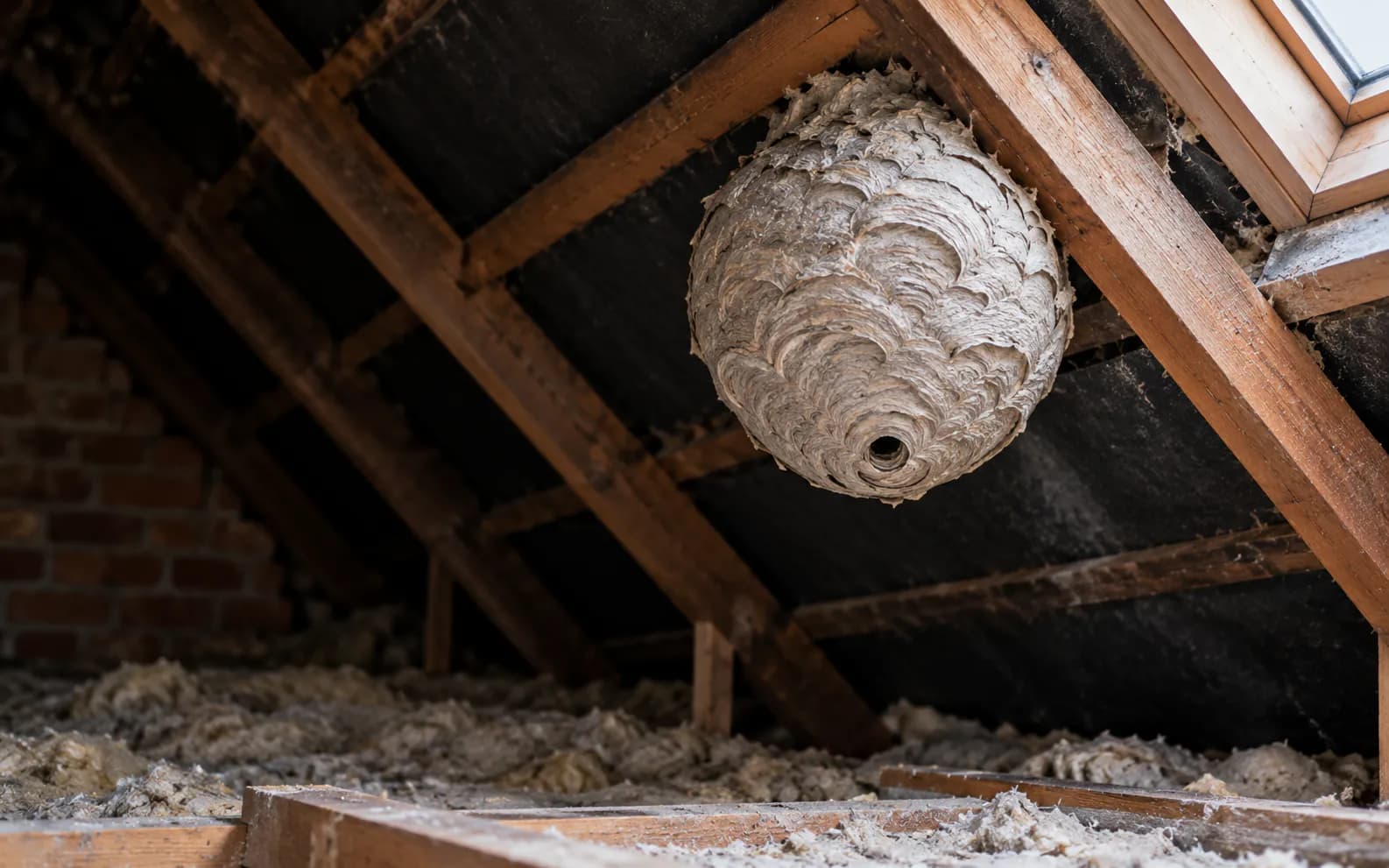
The nest is the same papery structure you would find in a loft, made from chewed wood pulp, but built inside a hole in the soil. The places we most often find them are lawns, grass banks, rockeries, the base of hedges, under sheds and decking, and in compost heaps.
How do you spot a wasp nest in the ground?
Look for traffic, not for the nest. All you will see from the surface is a hole, so the giveaway is a steady stream of wasps using it.
- One entrance, busy both ways. Wasps arrive and leave on the same line, like aircraft at a runway.
- Activity all day in warm weather. A hole that is busy every time you look is a nest.
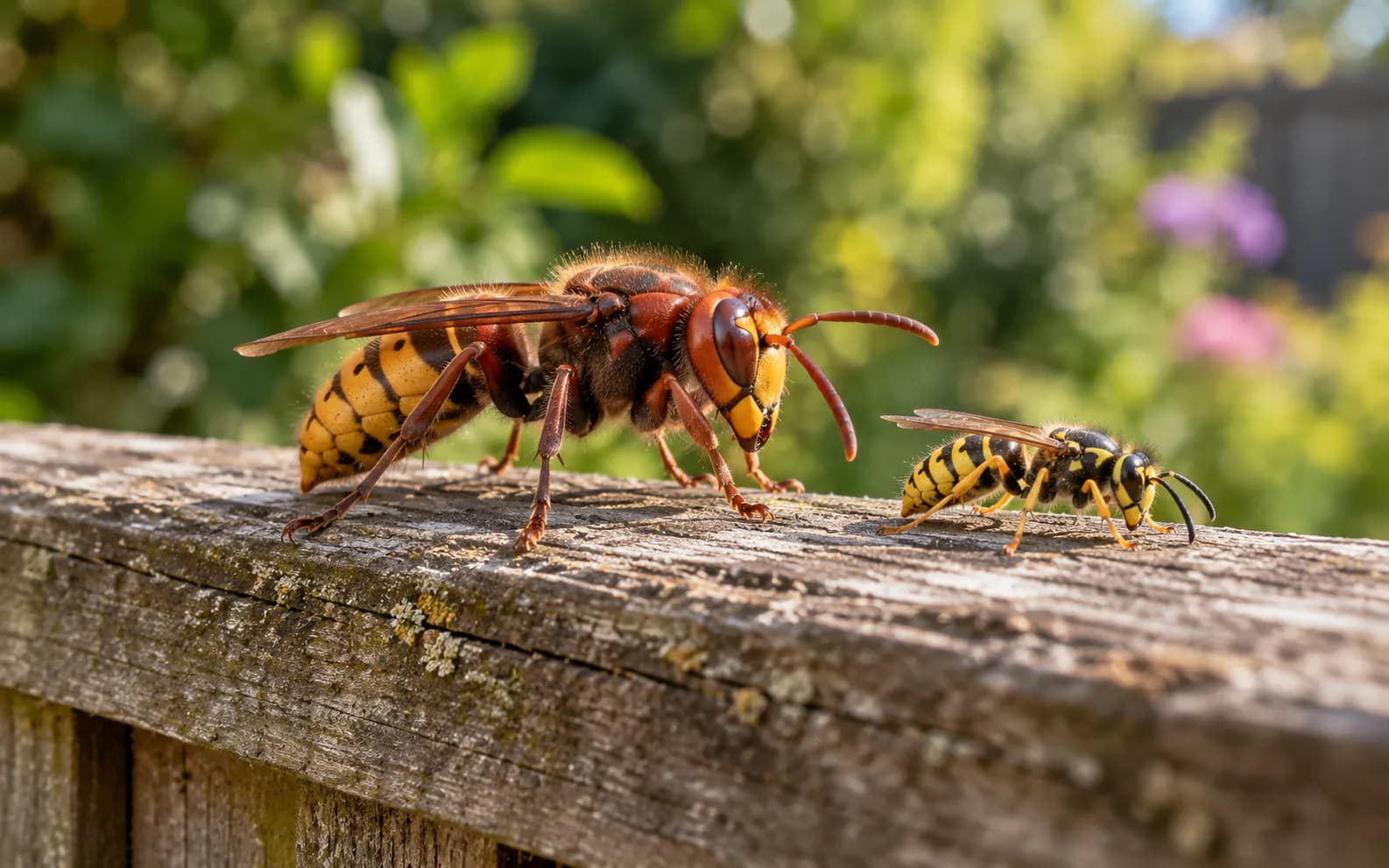
- Wasps, not bees. Slim, bright yellow and black, with almost no hair.
- Loose soil or a bare patch around the hole. Not always present.
- More wasps every week. Numbers build through the summer.
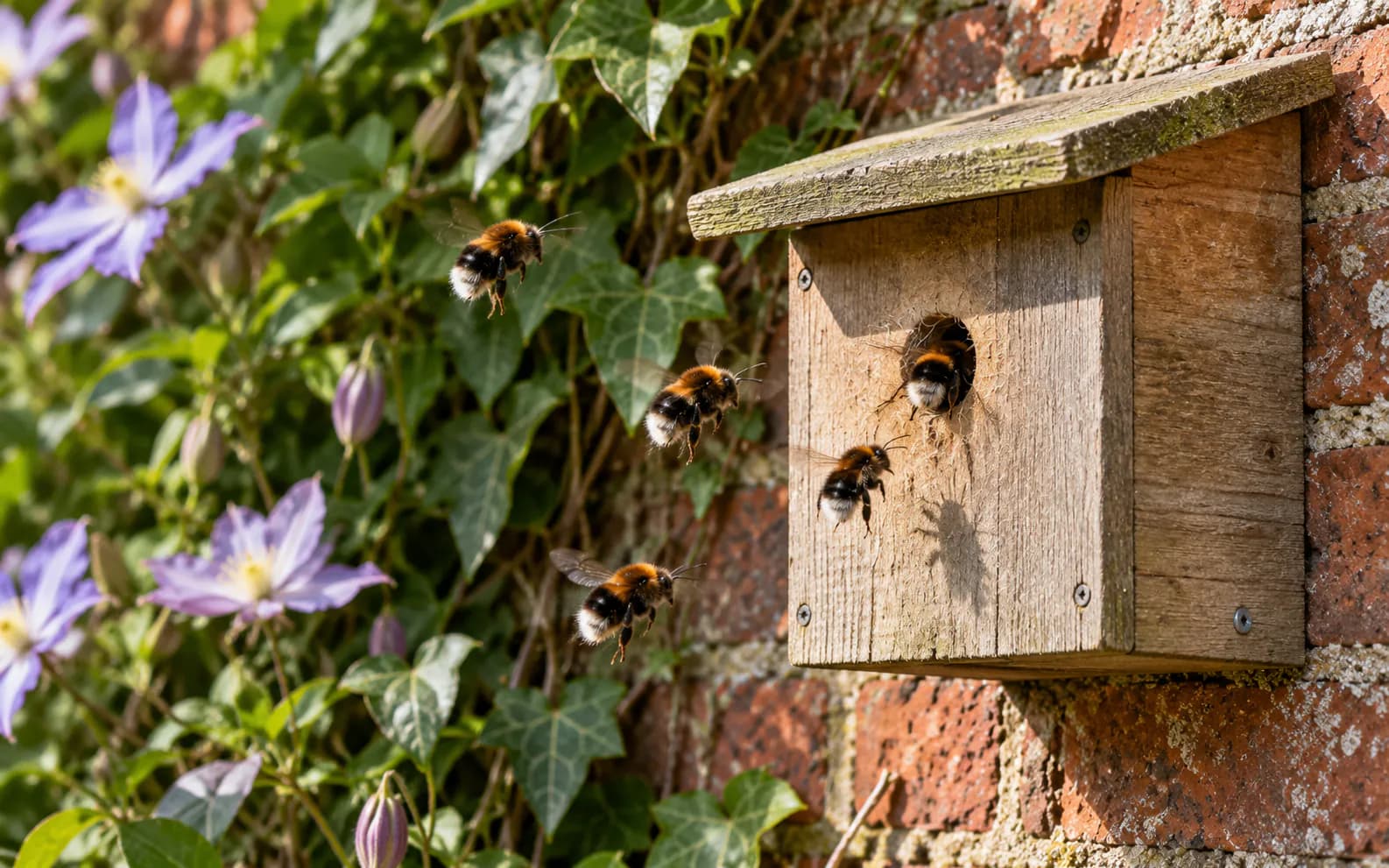
Watch from several metres away and do not stand in the flight line. Our guide to whether a wasp nest is active explains how to check safely. If the insects are round and furry, you may have bumblebees instead: see bumblebee nest: what to do.
How big does a ground nest get?
Bigger than the hole suggests. The RHS says a queen's first nest in spring is "about the size of a golf ball", and that by late summer a nest can be "larger than a football and contain 400-500 worker wasps".
The life cycle runs the same way underground as in a roof. According to the RHS and Dover District Council:
- Spring. A queen comes out of hibernation, chooses a site and starts the nest alone.
- Summer. Workers emerge and take over building and feeding the grubs. The nest grows quickly.
- Late summer. Males and new queens are produced.
- Late autumn. The workers, males and old queen die. Only the young queens survive, and they overwinter somewhere sheltered, away from the nest.
The RHS is clear that nests are never reused. A ground nest found empty in winter needs no treatment. Our guide to when wasps die off covers the timing.
Is a wasp nest in the ground dangerous?
It is more likely to be disturbed by accident than a nest in a roof, and that is the risk. The RHS notes that wasps may sting people or animals nearby if a nest is disturbed, "such as when compost bins are emptied or lawns are mown", although they are usually not aggressive if left alone. A ground nest is at foot, paw and mower level, and you may not know it is there until you are on top of it.
For most people a sting is painful but minor. The NHS advises washing the area with soap and water and putting a cold pack or cold cloth on any swelling for up to 20 minutes. It says to get help from NHS 111 or a GP if you were stung more than once, stung in the mouth or throat or near the eyes, or have had a serious allergic reaction before.
Call 999 if someone's lips, mouth, throat or tongue suddenly swell, they are struggling to breathe or swallow, their skin turns blue, grey or pale, or they become confused, drowsy or faint. Those are signs of a serious allergic reaction.
What should you not do with a ground nest?
Don't disturb it, and don't try to seal it. Most stings from ground nests come from well-meant attempts to deal with them.
- Don't pour water into it. It rarely reaches the whole nest and brings the wasps out.
- Don't block the hole with soil, a slab or a brick. The wasps find or dig another way out.
- Don't use petrol or fire. It is dangerous and poisons the ground.
- Don't mow or strim over it. The RHS names lawn mowing as one of the ways nests get disturbed.
- Don't dig it out. You cannot see how far it extends.
- Don't let dogs investigate it. Keep pets and children well away.
What should you do if you find one?
Mark it, keep clear and decide whether it needs treating. This table is the way we would think about it.
| Where the nest is | Risk | What to do |
|---|---|---|
| Far corner of the garden, a bank or rough ground nobody uses | Low | Mark it and leave it. It will die out in autumn |
| Lawn that gets mown, or a path edge | High | Stop mowing that area and have it treated |
| Near a door, patio, play area or washing line | High | Keep clear and have it treated promptly |
| Compost heap or under a shed you need to use | Medium to high | Leave the heap or shed alone until it is treated or the colony dies |
| Anywhere, if someone in the household is allergic to stings | High | Have it treated; tell us about the allergy when you call |
| Empty hole found in winter | None | No treatment needed; nests are never reused |
Both councils make the case for leaving nests that are out of the way. Dover District Council says only nests that pose a particular danger to people should be treated, and Hastings Borough Council points out that wasps are beneficial pollinators that eat garden pests such as aphids. The RHS says worker wasps feed their grubs on caterpillars, aphids and other insects, which can reduce pest problems in early summer.
How is a wasp nest in the ground treated?
With an insecticidal dust applied at the entrance, which the wasps carry inside. Hastings Borough Council describes the method: dust is applied at the nest entrance, ideally after dusk, and the wasps take it into the nest. Dover District Council notes that a single professional treatment usually suffices but takes several days to work fully.
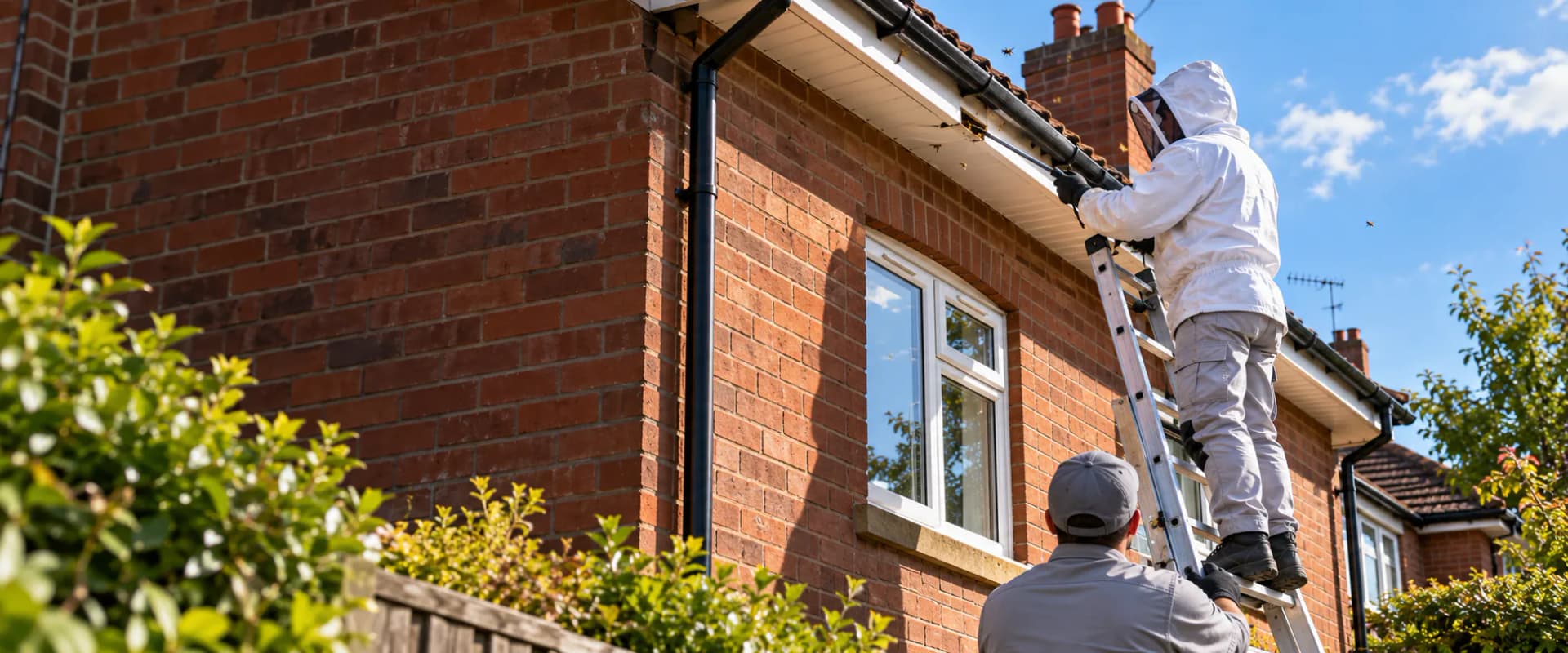
That is how we treat them. We find the entrance, puff a professional insecticide dust into it, and the returning wasps carry it deep into the nest, which kills the colony, queen included. A visit usually takes 15–30 minutes. You will see activity for a few hours as foragers return. Keep children and pets away from the entrance for a day afterwards, and do not cover the hole, because the wasps need to get the dust inside.
Householders can buy wasp nest products, and both councils say a careful person can use them, following the label. A ground nest is the awkward case: you are standing at the entrance, at night, with nowhere to retreat if it goes wrong. Our guide on how to get rid of a wasp nest sets out the options honestly.
Once the nest is dead, the hole can be filled with soil. Hastings Borough Council says treated nests do not need to be removed, since old nests are not reused.
When to call a professional
Call a professional if the nest is in a lawn you mow, near a door, path or play area, if anyone at home is allergic to stings, or if you have already disturbed it and the wasps are agitated. If it is at the far end of the garden and it is already September, leaving it alone is a reasonable choice.
Urgent Pest Control treats wasp nests in gardens as well as lofts, eaves and sheds, and same-day visits are often available. The price depends on where the nest is, the property and the time of the visit, and we'll explain the likely cost before any work starts. Advice over the phone is free.
We cover Nottingham, Derby, Leicester, Lincoln and the surrounding counties, 7 days a week from 6am to 8pm, with emergency call-outs 365 days a year. Book online or call 0330 822 7460.
Sources
Frequently Asked Questions
About the author
The Urgent Pest Control team
A family-run pest control company based in Southwell, treating homes and businesses across Nottinghamshire, Derbyshire, Leicestershire and Lincolnshire since 2020. Our guides are written from the jobs we do and checked against UK sources. More about us
Cite this guide: “Wasp Nest in the Ground: How to Spot One and What to Do”, Urgent Pest Control, 18 November 2026. https://urgentpestcontrol.uk/blog/wasp-nest-in-the-ground