Bird Mites in the House: Where They Come From and What to Do
Bird mites come indoors from nests in eaves, lofts and ledges when the birds leave. How to spot them, whether they bite, and how to get rid of them.

By the Urgent Pest Control team
· 7 min read
The short answer
Bird mites are tiny blood-feeding mites that live in birds' nests. When the birds leave, the mites wander indoors looking for food, usually into the rooms nearest the nest. They can bite people. The fix is to remove the empty nest and debris, clean and treat the area, and proof the building so birds cannot return.
- Bird mites in homes come from nests in lofts, eaves, window ledges and balconies, according to Oxford City Council.
- A BPCA PestWatch article says the mites often bite people once their original food source has gone, such as when young birds leave the nest.
- The NHS says mite bites cause very itchy lumps on the skin and sometimes blisters.
- Removing the nest is essential: without it, chemical treatment alone is unlikely to solve the problem.
- It is illegal to take, damage or destroy a wild bird's nest while it is being used or built, so nests are removed once they are empty.
On this page
Bird mites are tiny blood-feeding mites that live in birds' nests and on the birds themselves. When the birds fledge or the nest is abandoned, the mites lose their food and wander indoors, usually into the rooms closest to the nest, where they can bite people. The lasting fix is to remove the empty nest and debris, clean and treat the area, and stop birds coming back. Our bird control service proofs homes and businesses against nesting birds across Nottinghamshire, Derbyshire, Leicestershire and Lincolnshire.
This guide explains where bird mites come from, how to tell them from other mites in a house, and what to do about them.
What are bird mites?
They are parasitic mites that feed on birds' blood and live in the nest. A PestWatch article in the British Pest Control Association's magazine names the species as Dermanyssus gallinae; Oxford City Council lists them as poultry mites. The article says the mites live in the nest or the structure around it during the day and move onto the birds at night to feed.
Their colour depends on when they last fed. The same article says well-fed mites are dark red to almost black, while starved mites are very pale. Chesterfield Borough Council describes mites from birds' nests as "very small" and "usually found in large numbers".
Where do bird mites in the house come from?
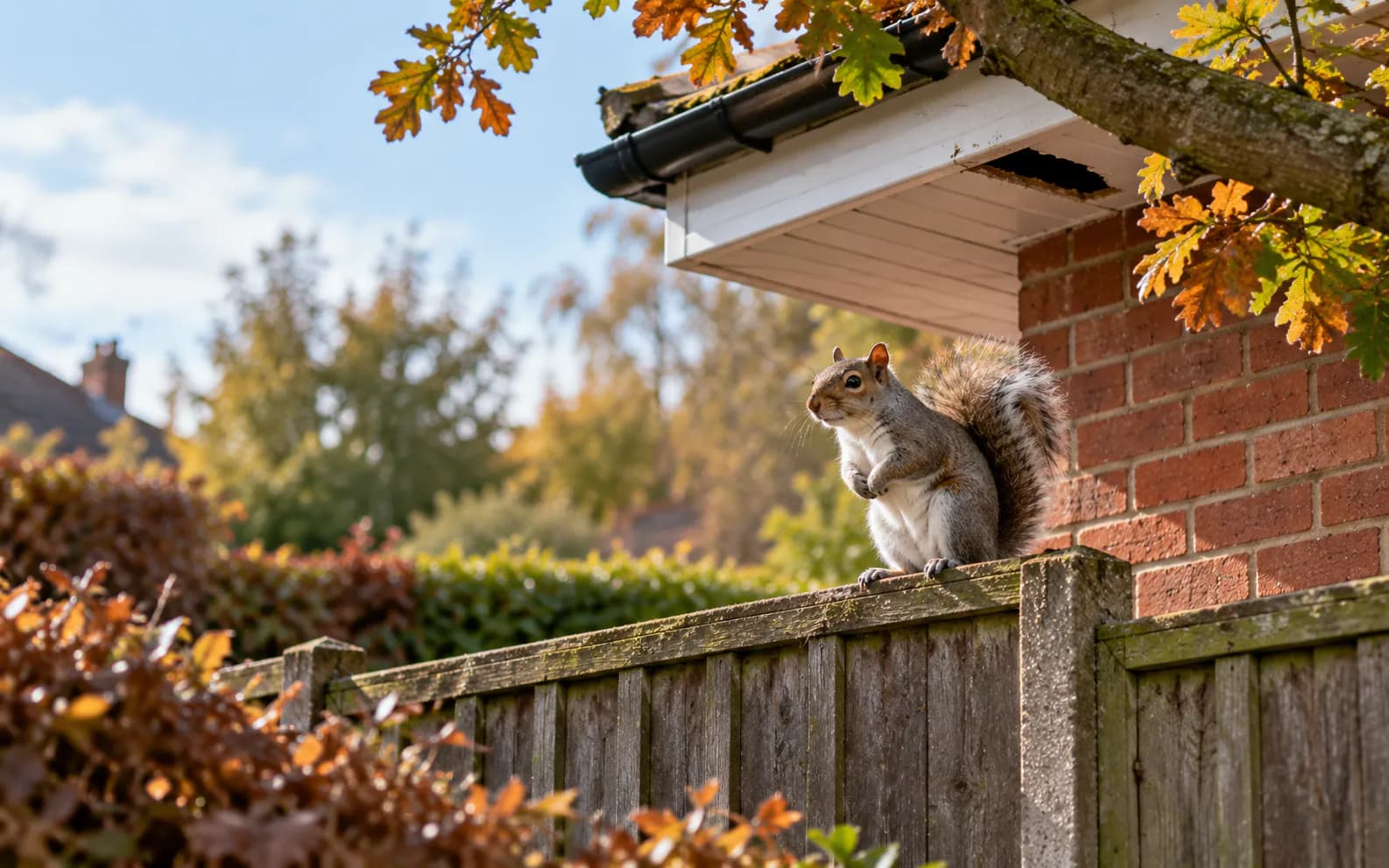
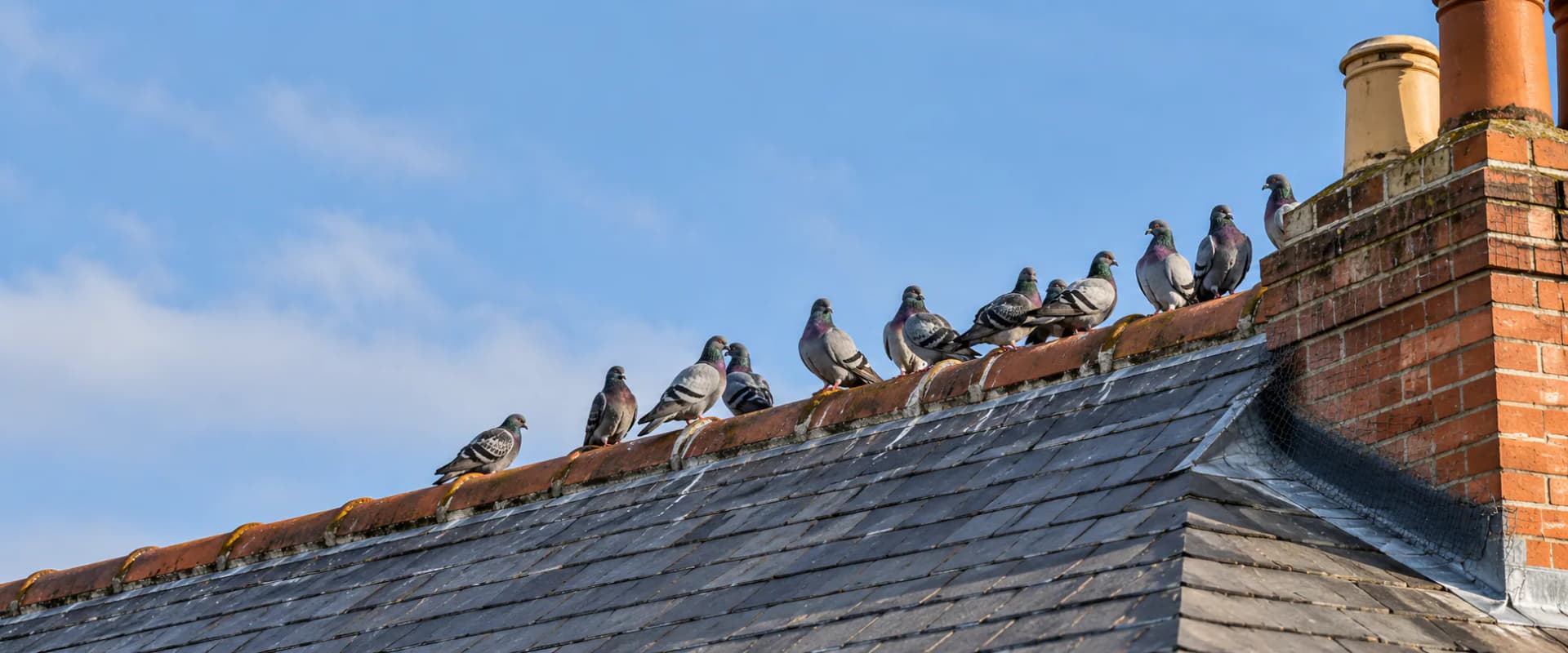
From a nest on or in the building. Oxford City Council says infestations usually come from birds nesting in the loft, eaves, window ledges or balconies. The BPCA article says incidents in homes result from mites migrating out of nests in the eaves, are usually very localised, and are more common in urban areas, generally because of pigeons nesting on ledges.
Timing is the clue. Chesterfield Borough Council says the mites and beetles that live in birds' nests often go unnoticed until the nest is abandoned, when they move indoors, usually to the upper rooms, looking for food. That is often just after the chicks have fledged, which is why the mites seem to appear from nowhere.
The places a technician checks first are:
- under the eaves and behind fascia and soffit boards;
- the loft, especially above the affected room;
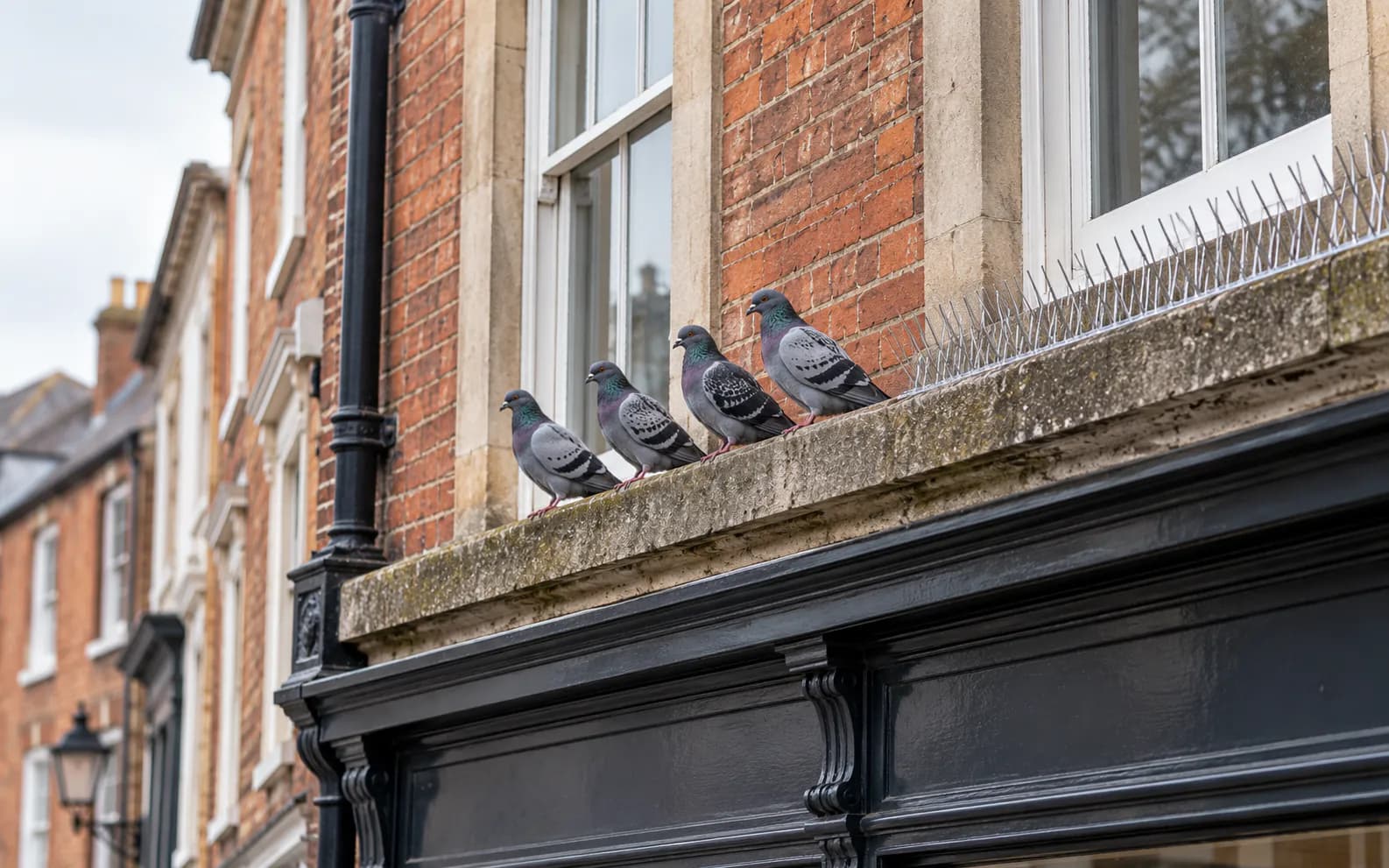
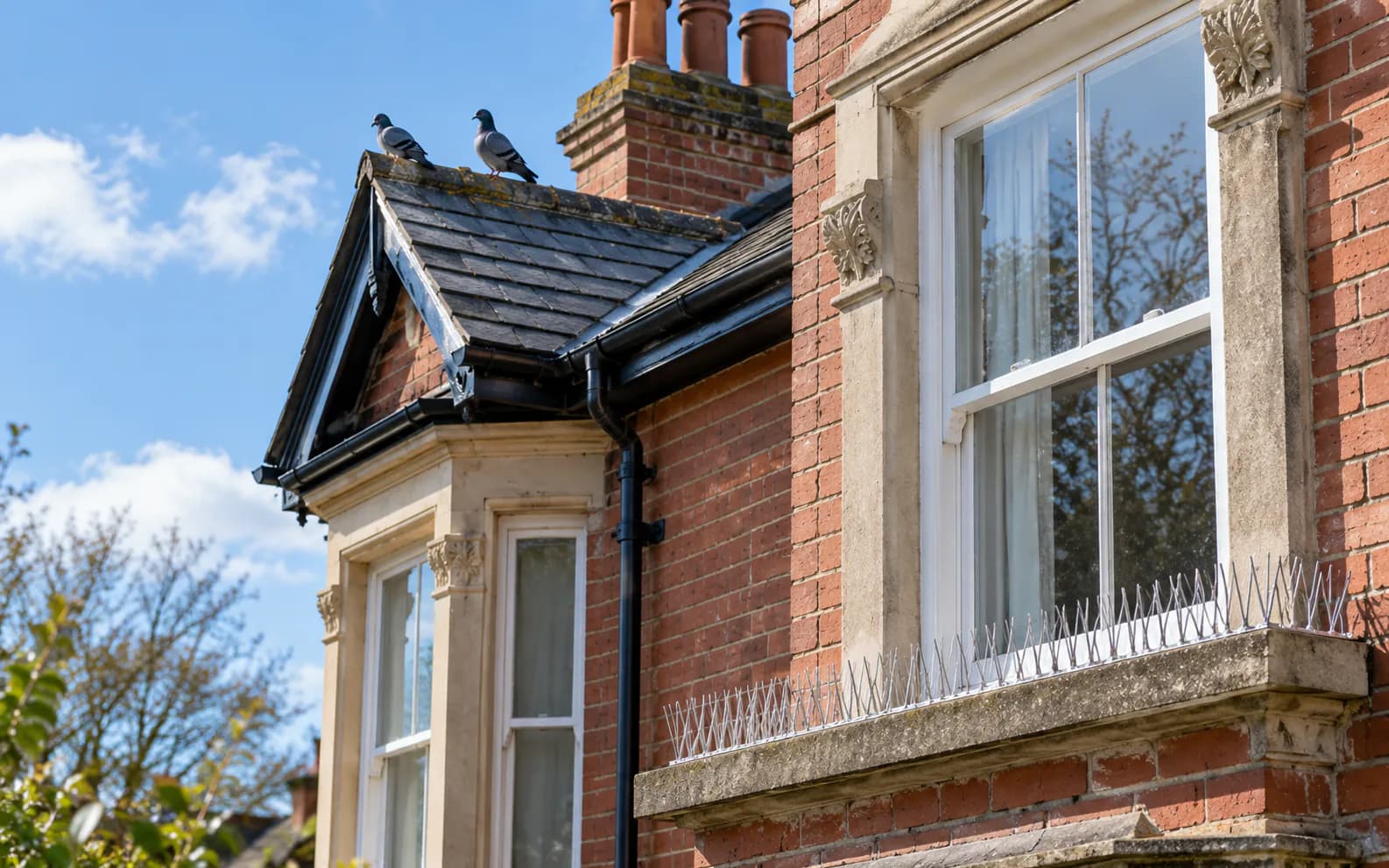
- window ledges, balconies and air-conditioning units used by pigeons;
- under solar panels, a common pigeon nesting site;
- chimneys, gutters and disused vents;
- nest boxes fixed to the house wall.
Do bird mites bite people?
Yes, they can. Spelthorne Borough Council says mites and fleas on pigeons, or in their droppings and nests, can bite humans. Oxford City Council's view is that they can bite but rarely do. The BPCA article says the mites are attracted to mammals by receptors for moisture, heat and carbon dioxide, and often bite people when their original food source has gone, such as when young birds leave the nest.
The NHS says mite bites cause very itchy lumps on the skin and sometimes blisters. Its general advice for bites is to wash the area with soap and water, and avoid scratching; antihistamines or hydrocortisone cream can relieve itching. Contact NHS 111 or a GP if symptoms get worse or do not improve.
Itchy bites have many causes, and bites alone cannot identify the culprit. If there is no nest nearby, compare the pattern with our guide to bed bug bites vs flea bites.
How do you tell bird mites from other mites in the house?
By where they are and what they are doing. Bird mites turn up near a nest, usually in upper rooms. Other household mites have very different habits. This table is based on Oxford City Council's mite advice and the NHS.
| Mite | Where you find it | Does it bite? | What to do |
|---|---|---|---|
| Bird (poultry) mites | Upper rooms, window frames and ceilings near a nest in the eaves, loft or on a ledge | Can bite people | Remove the nest and debris, treat, proof against birds |
| Flour mites | In flour, rice, cereals, pet food and dried fruit; also on new damp plaster | A food pest | Throw out infested food, dry the area, store food in airtight containers |
| Clover mites | Tiny dark red mites on window sills and walls, coming in from plants outside in autumn | Harmless to people and animals | Cut back vegetation near windows and air bricks |
| Red spider mites | As clover mites: outdoor mites that come indoors in autumn | Harmless to people and animals | As for clover mites |
| House dust mites | In the home generally | The main problem is an allergic reaction | Oxford advises speaking to your doctor |
| Scabies mites | On people, not a household pest | The NHS says mites can cause scabies, a medical condition | Follow NHS advice; pest control will not help |
A photo taken with your phone's macro setting, with a coin for scale, helps a lot. You can also try our pest identifier.
How do you get rid of bird mites?
Remove the source, then clean and treat. The BPCA article is clear on the order: identifying the source is the most effective first step, and for bird mites removing the nesting site is essential, because without it chemical treatment is unlikely to resolve the problem.
- Find the nest. Work out which room is worst and look directly above and outside it: eaves, loft, ledges, gutters.
- Check whether the nest is in use. If there are eggs or chicks, it must be left alone (see the law below).
- Remove the empty nest and debris. Chesterfield Borough Council advises checking gutters, barge boards and roof spaces and removing any birds' nests and dead birds. The BPCA article says to remove all nesting and related material from cavities, attics and outside ledges. Wear gloves and a dust mask, bag everything and seal the bag.
- Vacuum thoroughly. The BPCA article recommends vacuuming to remove debris from cracks and crevices. Include window frames, skirting, curtains and bedding in the affected rooms, and empty the vacuum outside. Wash bedding on a hot cycle.
- Treat cracks and crevices. A residual insecticide approved for these mites is applied to the cracks, crevices and surfaces the mites use; desiccant dusts can also help.
- Proof against birds. Oxford City Council advises taking proofing measures, where possible, to stop birds returning.
Before using any insecticide or smoke in a roof space, check for bats. Chesterfield Borough Council points out that destroying a bat roost is an offence under the Wildlife and Countryside Act 1981 and that many insecticides harm bats.
Other insects come from nests too. The BPCA article lists the varied carpet beetle, whose larvae feed on fabrics, carpets and clothing, among the pests that spread from birds' nests. Our guide to carpet beetles explains what to look for.
Can you remove a bird's nest to get rid of mites?
Only when it is not in use. Government guidance on wild birds says it is illegal to intentionally take, damage or destroy a wild bird's nest while it is being used or built, or to intentionally take or destroy a wild bird's egg. The law behind it is the Wildlife and Countryside Act 1981, and it covers all wild birds, feral pigeons included.
In practice that means waiting until the young have fledged, then removing the nest and proofing the gap before the next breeding attempt. Natural England can issue licences in limited circumstances, including public health and safety. Our guides explain the rules in more detail: are pigeons protected?, how to get rid of pigeons and pigeons under solar panels.
While you wait for a nest to empty, vacuum daily, keep the windows nearest the nest closed, and move beds away from the affected wall.
How do you stop bird mites coming back?
Stop birds nesting on the building. Once the nest has gone and the area is clean:
- seal gaps at the eaves, soffits and fascias that birds have been using, after checking nothing is inside;
- fit netting, spikes or mesh to ledges, balconies and solar panels used by pigeons;
- clear old nesting material from gutters and lofts each autumn;
- site nest boxes away from bedroom windows, and clean them out in autumn once they are empty;
- don't feed pigeons close to the house.
When to call a professional
Call a professional if mites keep appearing after you have cleaned, if you cannot reach or find the nest, if pigeons are nesting on ledges, a balcony or under solar panels, or if the bites are affecting your sleep. Nests at roof height should not be tackled from a ladder, and accumulated pigeon droppings need protective equipment to clean safely.
Urgent Pest Control starts bird work with a free survey. We check for active nests before fitting anything, never seal birds in, clear and disinfect guano, and fit netting, spikes or mesh so birds cannot return. Tell us about the mites when you call, and we'll explain what can be done and the likely cost before any work starts. See our pest control prices for published starting prices.
We cover Nottingham, Derby, Leicester, Lincoln and the surrounding counties, 7 days a week from 6am to 8pm. Book online or call 0330 822 7460.
Sources
- BPCA Professional Pest Controller: PestWatch, secondary infestations from birds
- Oxford City Council: Pest control advice, mites
- Chesterfield Borough Council: Beetles and mites from birds' nests
- Spelthorne Borough Council: Pigeons
- NHS: Insect bites and stings
- Natural England and Defra: Wild birds, protection and licences (gov.uk)
Frequently Asked Questions
About the author
The Urgent Pest Control team
A family-run pest control company based in Southwell, treating homes and businesses across Nottinghamshire, Derbyshire, Leicestershire and Lincolnshire since 2020. Our guides are written from the jobs we do and checked against UK sources. More about us
Cite this guide: “Bird Mites in the House: Where They Come From and What to Do”, Urgent Pest Control, 18 November 2026. https://urgentpestcontrol.uk/blog/bird-mites