Can Rats Climb Walls? How Rats Get Up High and How to Stop Them
Yes, rats can climb walls. How they use brickwork, drainpipes and ivy to reach the roof, and how to proof air bricks, pipes and eaves against them.

By the Urgent Pest Control team
· 7 min read
The short answer
Yes. Rats are good climbers and can climb vertical brick walls, according to Hastings Borough Council. They also use drainpipes, climbing plants, fences and bins to reach roofs, eaves and upstairs windows. Because a rat can get through a gap of about 15mm, proofing has to cover the roofline as well as ground level.
- Hastings Borough Council says rats are good climbers and can climb vertical brick walls.
- Shropshire Council warns about climbing plants around windows and at the eaves, because rats are good climbers.
- Rats can get through a gap of 15mm, according to North Lanarkshire Council.
- West Northamptonshire Council advises fitting cone guards and balloon guards to drainpipes to stop rats climbing up.
- Air bricks should be intact and covered with mesh, never blocked, because they ventilate the floor void.
On this page
Yes, rats can climb walls. Hastings Borough Council describes rats as "good climbers" that "can climb vertical brick walls", and they use drainpipes, climbing plants, fences and bins in the same way to reach roofs, eaves and upstairs windows. A rat needs a gap of only about 15mm to get in, so keeping them out means proofing the whole building, not just the bottom of the walls. Our pest proofing service seals those gaps, and our rat control treatment, from £200, deals with rats already inside; the final price depends on the job.
This guide explains how rats climb, the routes they use to get up high, and how to block each one.
How well can rats climb?
Well enough to reach your roof. Hastings Borough Council says of rats: "They are good climbers and can climb vertical brick walls." It adds that they are proficient swimmers, at home in sewers where they have food, water and shelter.
Other councils give the same warning in practical terms. Shropshire Council tells residents to "beware of climbing plants around windows and at the eaves of the property, as rats are good climbers". North Lanarkshire Council advises keeping bins away from fences and walls, because rats can scale them and jump onto a bin to reach food.
Rats also breed quickly once they find somewhere safe. Hastings Borough Council says a female has her first litter at four months old and typically breeds five times in a lifespan of about a year, with an average litter of eight.
What can rats climb?
Anything with grip. As a guide, the rougher the surface and the more there is to hold, the easier it is. The table below sets out the routes we look at on a survey and how each is dealt with.
| Route | Why rats can use it | How to block it |
|---|---|---|
| Brick, stone and rough render | Hastings Borough Council says rats can climb vertical brick walls | You cannot stop the climb, so seal the gaps it leads to: eaves, vents, pipe holes |
| Drainpipes and downpipes | A direct route from the ground to the gutter | Cone or balloon guards on the pipe; mesh over open pipe ends |
| Ivy, wisteria and other climbers | A ladder to windows and eaves, with cover from view | Cut back well clear of windows, gutters and the roofline |
| Fences, trellis, sheds and bins against the wall | Rats climb them, then jump | Move bins and stores away from walls and fences |
| Cables and service pipes | Something to grip, leading to a hole in the wall | Seal round every entry with mesh or wire wool and mortar |
| Inside the wall cavity | Rough inner faces, hidden from view | Find and seal where they get into the cavity, often at drain or floor level |
| Smooth metal, glass and clean plastic | Little to grip on a flat vertical face | These are the materials guards are made from |
How do rats use drainpipes?
They climb them, outside and sometimes inside. A downpipe runs from the ground to the gutter, often right beside the eaves, so it is an obvious route. West Northamptonshire Council advises householders to "fit cone guards and balloon guards to drainpipes to stop rats climbing up".
A cone guard is a metal collar fixed round the outside of a pipe that rats cannot get past. A balloon guard is a wire cage fitted in the top of an open pipe, such as a soil vent stack, to stop anything getting in or out of the top.
Drains matter too. Shropshire Council notes that rats use drains and sewers to move around an area, and that burrows near manholes and inspection chambers may indicate damaged pipes. West Northamptonshire Council says that because rats live in sewers, damaged drains and drain covers should be mended straight away. A rat that gets out of a broken drain under the house can climb the inside of the cavity wall to the loft without ever being seen outside. Our guide to rats in walls explains that route.
Does ivy help rats climb?
Yes. Climbing plants give rats grip, cover and a path straight to the weak points of a house. Shropshire Council's warning is specific: beware of climbing plants around windows and at the eaves.
You do not have to strip every plant from the wall. Keep climbers trimmed well below the gutters and clear of window frames, vents and the edge of the roof. Cut back tree branches that overhang or touch the roof. Dense ivy at ground level also hides burrows and holes in brickwork, so thin it out enough to see the base of the wall.
Can rats get in through air bricks?
Yes, if the air brick is broken or has gaps big enough. North Lanarkshire Council says rats can get through a gap of 15mm, and advises sealing gaps in walls and around pipes with cement mortar. Shropshire Council tells residents to make sure air bricks and ventilation grilles are intact, because "rats and mice can get through the smallest of holes".
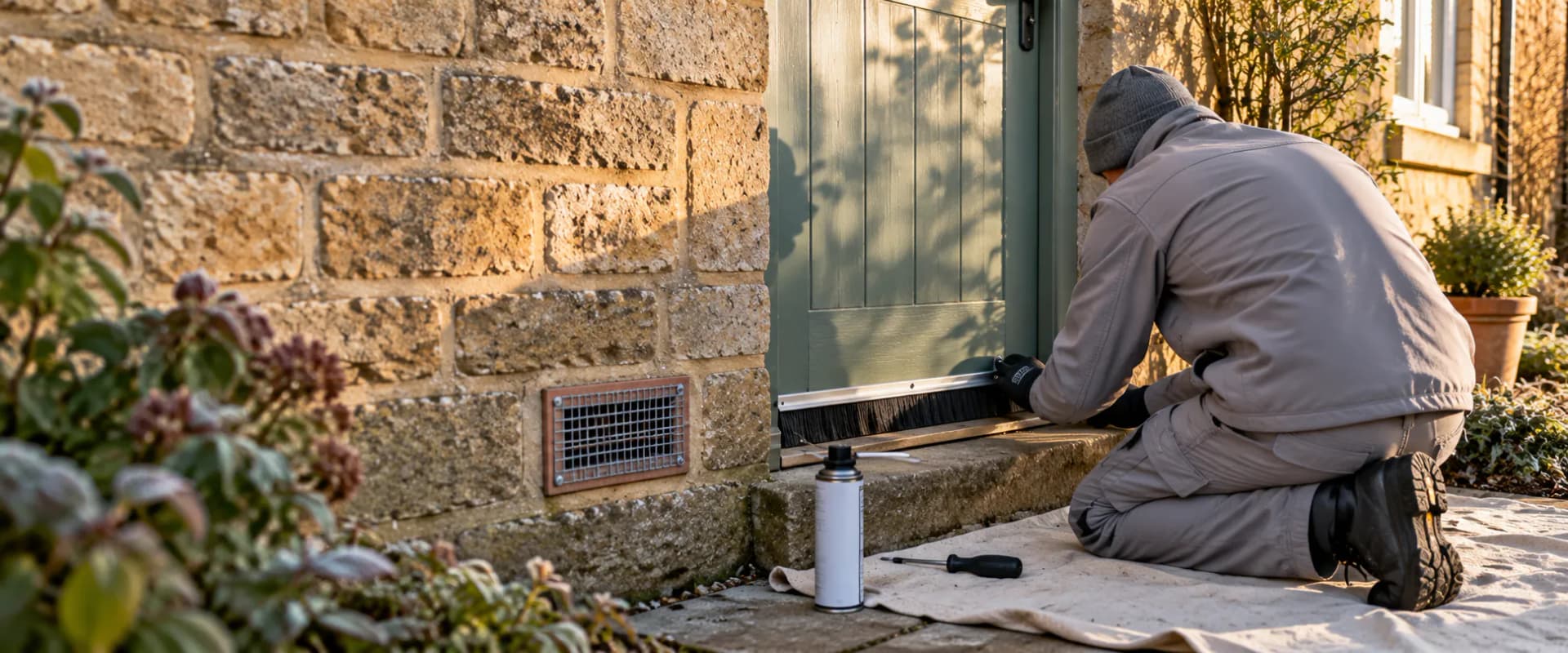
Do not block an air brick to keep rats out. West Northamptonshire Council's advice is to "check air bricks are in place and intact (don't block them)". They ventilate the space under a suspended floor, and blocking them causes damp. The answer is a replacement air brick or a fitted metal mesh cover that lets air through.
How do rats get into lofts and upper floors?
By one of three routes, and it is worth knowing which.
- Up the outside. Brickwork, a downpipe or a climbing plant leads to a gap at the eaves, a slipped tile, a hole in a soffit or an open vent.
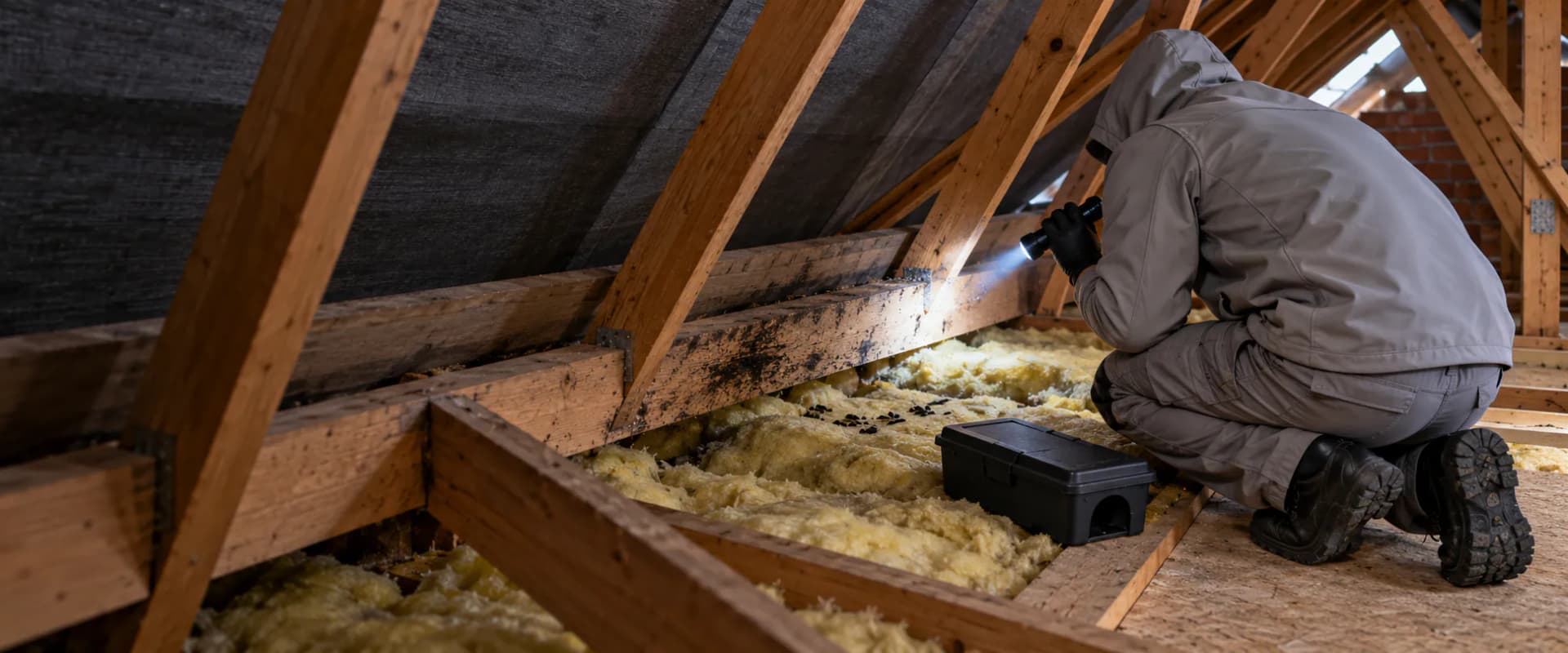
- Up the inside. Rats get into the cavity or floor void at ground level or from a defective drain, then climb inside the wall. This is the route that surprises people, because there are no signs outside.
- From next door. In terraces and semis, rats move along shared roof voids and cavities.
Noises in the ceiling at night, droppings in the loft and gnawed stored items are the usual signs. Hastings Borough Council lists greasy, well-worn runs, smears, droppings and gnawing among the signs of rats. Our guides to rats in the loft and the signs of rats in the house go through them. Mice use the same routes on a smaller scale: see can mice climb walls?
How do you rat-proof a house from the ground to the roof?
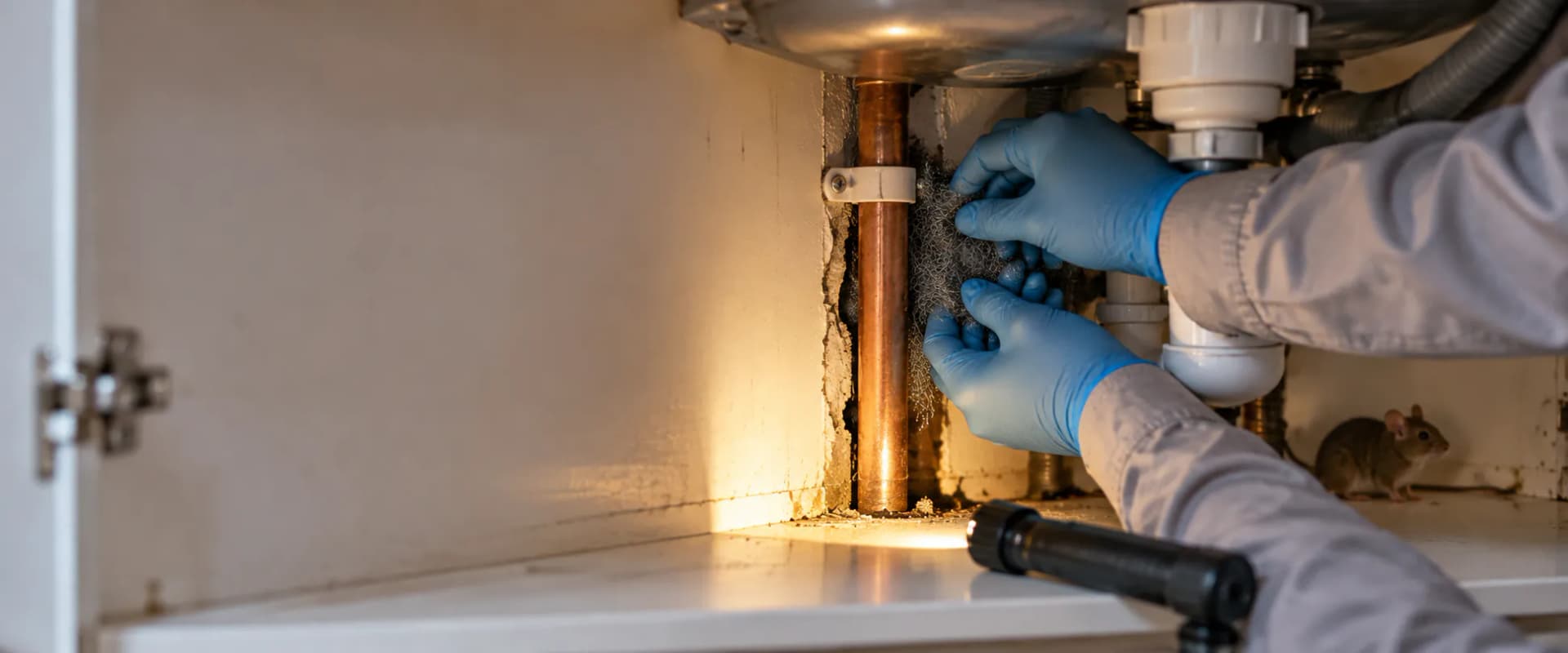
Work upwards and close every gap of about 15mm or more with something rats cannot chew. West Northamptonshire Council says filling material needs to be substantial, such as cement or wire wool. Expanding foam on its own is not enough.
Ground level
- Replace broken air bricks or fit mesh covers; never block them.
- Seal round gas, water, waste and cable entries with wire wool or mesh and mortar.
- Check that doors fit tightly, including garage and side doors.
- Make sure drain covers, gullies and grilles are in place and undamaged.
Walls and pipes
- Fit cone guards to downpipes where rats are climbing them, and balloon guards to open vent pipes.
- Seal round overflow pipes, boiler flues and cable holes higher up the wall.
- Cut climbing plants back from windows and the roofline.
Roofline
- Close gaps at the eaves and behind fascias and soffits with mesh or metal plates.
- Refix slipped tiles and check the ends of the ridge.
- Cut back overhanging branches.
Garden
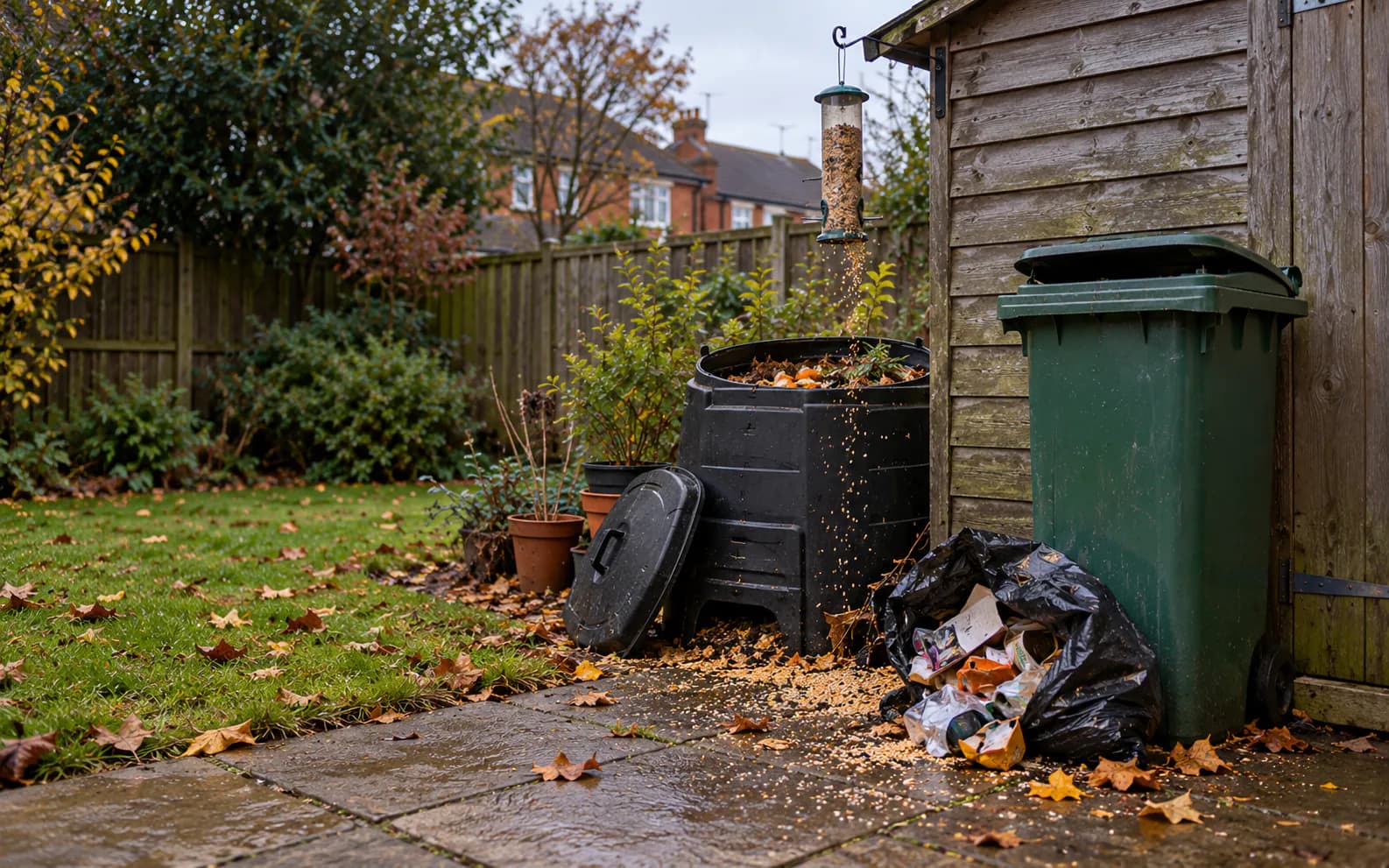
- Move bins, log piles and stores away from walls and fences.
- Clear rubbish and spilt bird food, as North Lanarkshire Council advises.
One caution on timing: if rats are already inside, sealing them in can leave them to gnaw a new way out or die in a void. Treat first, then proof once activity has dropped. Check the roof space for nesting birds and bats before any work at the roofline.
When to call a professional
Call a professional if you hear rats in a ceiling or wall, find droppings in the loft, or have proofed the obvious gaps and still have rats. Activity upstairs with no sign of entry outside usually points to the cavity or a drain, and that takes a proper survey to trace. Work at the roofline should not be done from a ladder by someone who does not do it every week.
Urgent Pest Control surveys from the drains to the ridge, treats rats already inside, and then seals entry points with wire wool, steel mesh, cement, bristle strips and air brick covers. Rat control starts from £200 with follow-up visits included; the final price depends on the job, and proofing is quoted after the survey. We'll explain the likely cost before any work starts. See our pest control prices.
We cover Nottingham, Derby, Leicester, Lincoln and the surrounding counties, 7 days a week from 6am to 8pm, with emergency call-outs 365 days a year. Book online or call 0330 822 7460.
Sources
Frequently Asked Questions
About the author
The Urgent Pest Control team
A family-run pest control company based in Southwell, treating homes and businesses across Nottinghamshire, Derbyshire, Leicestershire and Lincolnshire since 2020. Our guides are written from the jobs we do and checked against UK sources. More about us
Cite this guide: “Can Rats Climb Walls? How Rats Get Up High and How to Stop Them”, Urgent Pest Control, 18 November 2026. https://urgentpestcontrol.uk/blog/can-rats-climb-walls